Table of Contents
ToggleSetting up a toddler’s bedroom means balancing safety, durability, and practicality, often on a tight timeline. Toddler bedroom furniture sets simplify the process by bundling essential pieces that fit together visually and functionally. But not all sets are created equal. Some skimp on safety features, while others include unnecessary pieces that crowd smaller rooms. This guide walks through what matters most when choosing a toddler furniture set, from structural safety to space-saving configurations, helping parents make a decision that works for their kid and their floor plan.
Key Takeaways
- Toddler bedroom furniture sets should prioritize solid wood construction, low-VOC finishes, and anti-tip hardware over decorative themes that become outdated quickly.
- Essential pieces in a complete toddler furniture set include a toddler bed with guard rails, a multi-drawer dresser with full-extension slides, and a stable nightstand or bookshelf for safety and functionality.
- Mid-range toddler furniture sets ($400–$900) offer the best balance of quality, durability, and cost for families planning 5–7 years of use or passing pieces to younger siblings.
- Wall anchors and anti-tip restraints rated to studs are non-negotiable safety features; dressers and bookcases must meet ASTM F2057 standards to prevent tip-overs from drawer climbing.
- Maximize small bedroom space with vertical storage, low-profile beds, and multifunctional pieces like beds with built-in drawers rather than adding separate toy boxes.
- Verify furniture meets CPSC and Greenguard Gold certifications for lead-free, low-emission finishes, especially important since toddlers spend 10–12 hours daily in their bedrooms.
What to Look for in Toddler Bedroom Furniture Sets
Start with material quality. Solid wood (pine, birch, or rubberwood) holds up better than particleboard or MDF, especially when a toddler uses the bed frame as a trampoline. Check joinery, dovetail or mortise-and-tenon joints are stronger than staples or glue alone. Veneered surfaces can work if they’re thick enough to resist peeling from spills or rough handling.
Finish matters. Look for low-VOC or zero-VOC paints and stains to minimize off-gassing in a small bedroom. Water-based finishes dry faster and smell less harsh than oil-based options. If the set includes composite wood components (like drawer bottoms), confirm they meet CARB Phase 2 formaldehyde emission standards.
Sizing and transitions also count. A toddler bed typically uses a crib mattress (about 28″ x 52″), which the family may already own. Twin-size beds cost more upfront but eliminate the need for another furniture swap in 2–3 years. Some sets include convertible pieces that adjust height or function as the child grows, these cost more initially but spread the expense over a longer timeline.
Finally, assembly complexity varies widely. Some manufacturers use cam-lock fasteners and pre-drilled holes: others require aligning particleboard dowels that strip easily. Read recent reviews for mentions of missing hardware, unclear instructions, or pieces that don’t align. A well-designed set should assemble in 1–2 hours with a cordless drill and Allen keys.
Essential Pieces Included in Complete Toddler Furniture Sets
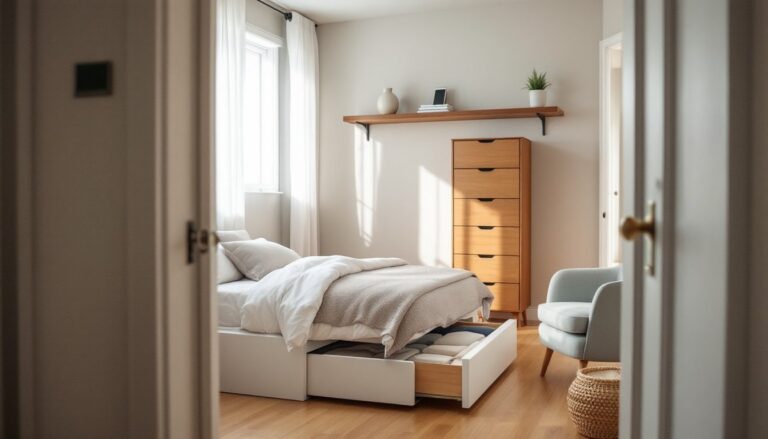
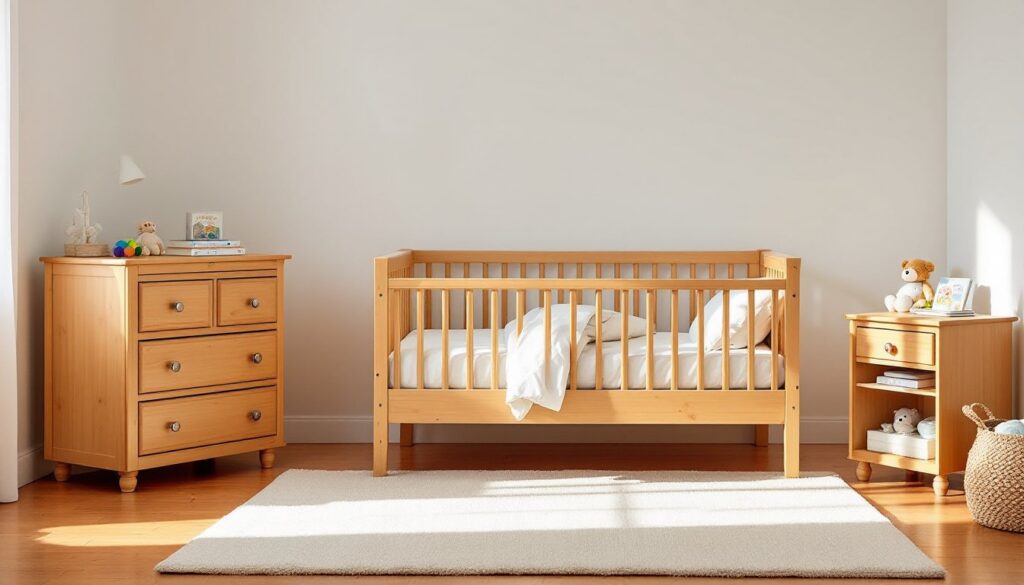
A standard toddler furniture set includes a toddler bed or convertible crib, a dresser, and a nightstand or bookshelf. The bed is the anchor, look for models with side rails or guard rails integrated into the frame. Some sets offer beds with built-in storage drawers underneath, a practical option for rooms without closets.
Dressers in toddler sets usually feature three to five drawers. Pay attention to drawer depth, shallow drawers (4–6″ deep) work fine for clothes but won’t hold bulky items like blankets or stuffed animals. Full-extension drawer slides make it easier for a toddler to reach items in the back without yanking the drawer out completely. Check that drawer fronts are screwed (not just glued) to the drawer box.
Nightstands or small bookcases round out most sets. A nightstand should be stable enough to support a lamp and a water cup without tipping if a toddler pulls on a drawer. Open shelving works well for books or bins but collects dust faster than closed storage.
Some premium sets add a toy chest or storage bench. These are useful, but they’re not essential. A toy chest without a slow-close hinge or ventilation holes poses a pinch or suffocation hazard, older designs sometimes fail ASTM F963 toy box safety standards. If the set includes one, verify it has a lightweight lid or a stay-open mechanism.
Occasionally, sets include coordinating decor items like lamps, wall shelves, or mirrors. These add visual cohesion but rarely justify a significant price increase. Focus budget on the core furniture pieces first.
Popular Styles and Themes for Toddler Bedrooms
Neutral modern styles dominate 2026 toddler furniture, with clean lines, white or gray finishes, and minimal ornamentation. These sets transition easily as the child’s interests change and pair with a variety of bedding or wall colors. Look for tapered legs and simple drawer pulls rather than heavy molding or carved details.
Farmhouse or cottage styles use distressed finishes, beadboard panels, and antique-style hardware. They work well in older homes with traditional architecture but can feel heavy in smaller, modern spaces. The finishes (often milk paint or chalk paint) tend to show wear quickly, plan on touch-ups every year or two.
Mid-century modern sets feature angled legs, two-tone finishes, and rounded edges. These often cost more because they use solid wood and require more precise joinery. The silhouette works in tight spaces since the furniture sits lower and doesn’t dominate the room visually.
Themed sets, dinosaurs, princesses, race cars, appeal to toddlers but date quickly. A four-year-old who loved trucks may want nothing to do with them at six. If choosing a themed set, look for removable or replaceable elements like drawer knobs, decals, or bedding rather than furniture with molded shapes or permanently applied graphics. A train-shaped bed frame will end up on Craigslist faster than a simple bed with train-themed bedding.
Montessori-style floor beds (mattresses on low platforms or directly on the floor) have gained traction. They encourage independence and eliminate fall hazards but offer less under-bed storage and can complicate room cleaning. These aren’t usually sold as traditional “sets” but are worth considering for minimalist or small-space setups.
Safety Features Every Toddler Furniture Set Must Have
Anti-tip hardware is non-negotiable. Dressers and bookcases must include wall anchors or tip-over restraints that attach to studs, not just drywall. The ASTM F2057 standard (updated in 2023) requires furniture to withstand a 50-pound pull force on an open drawer. Even stable-looking dressers can tip if a toddler climbs the drawers like a ladder. Use the included straps, or upgrade to heavy-duty L-brackets rated for furniture anchoring.
Rounded or cushioned edges reduce injury risk. Sharp corners on bed frames, nightstands, and dresser tops are hazards in a room where a toddler is learning to walk or roughhousing. Some manufacturers use corner bumpers or bullnose edge profiles: aftermarket corner guards work too but can peel off or become choking hazards if not applied correctly.
Non-toxic finishes matter more in a toddler’s room than anywhere else. Confirm the set meets CPSC (Consumer Product Safety Commission) lead and phthalate restrictions. Third-party certifications like Greenguard Gold indicate low chemical emissions, important in a small room where a child spends 10–12 hours a day.
Bed rail height and spacing must meet safety standards. Guard rails should extend at least 5 inches above the mattress top to prevent roll-offs. Slat spacing on bed frames can’t exceed 3.5 inches to prevent a child’s head from getting stuck. If buying a used set or an older model, double-check these dimensions, standards have tightened over the past decade.
Hardware quality also affects safety. Drawer pulls or knobs should be screwed through from the back with a washer and nut, not just a single screw into particleboard. Loose hardware becomes a choking hazard, and a drawer that falls out can injure small hands or feet.
Budget-Friendly vs. Premium Toddler Furniture Sets
Budget sets (under $400) typically use engineered wood (MDF or particleboard) with laminate or paper veneer finishes. They’re lighter, easier to move, and less expensive to replace if damaged. Expect simpler assembly (often cam locks and dowels) and shorter lifespans, 3–5 years under normal use. Drawer slides may be basic side-mount or even no slides at all (drawers resting on wooden rails). These work fine if the furniture only needs to last until the child moves to a twin or full-size bed.
Mid-range sets ($400–$900) often blend solid wood frames with composite panels. You’ll see better finishes, dovetail drawer joints, and full-extension undermount slides. These sets usually include anti-tip hardware and meet current safety standards without requiring upgrades. Assembly takes longer but produces sturdier results. This tier offers the best balance for families planning to use the furniture for 5–7 years or pass it to younger siblings.
Premium sets ($900 and up) use solid hardwood construction, hand-applied finishes, and features like soft-close drawers, integrated LED nightlights, or convertible designs that adapt as the child grows. The craftsmanship shows in details: smooth drawer action, aligned grain patterns, reinforced joints. These sets often carry longer warranties (5–10 years) and hold resale value better. They make sense if the family values heirloom-quality furniture or plans to use the pieces for multiple children.
Cost also varies by retailer and timing. Big-box stores discount floor models significantly in late winter and late summer. Online-only brands often price lower because they skip showroom overhead but offer limited return policies, a problem if pieces arrive damaged or don’t match photos. Buying open-box or gently used sets from consignment shops or marketplaces can save 40–60%, but always inspect for recalls, missing hardware, and structural damage before purchasing.
How to Maximize Space in Small Toddler Bedrooms
Vertical storage takes advantage of wall space without eating floor area. Tall, narrow dressers (sometimes called lingerie chests) offer the same drawer capacity as wide dressers in half the footprint. Wall-mounted shelves above the bed or changing area keep books and toys accessible but off the floor. Just confirm shelves are anchored to studs and positioned high enough that a toddler can’t pull them down.
Multifunctional furniture reduces the total piece count. Beds with built-in trundle drawers replace a separate toy box or under-bed bins. Some toddler beds include an attached bookshelf headboard, eliminating the need for a standalone nightstand. Convertible cribs that become toddler beds and later daybeds or small sofas spread the initial cost over a longer timeline and reduce the number of furniture swaps.
Low-profile pieces make a small room feel larger. A toddler bed sits lower than a twin (usually 12–15″ from floor to mattress top vs. 20–25″ for a twin on a standard frame), opening up visual space and making the ceiling feel higher. Skip bulky armoires, a simple three-drawer dresser (about 30–36″ wide) plus a small closet organizer handles most toddlers’ wardrobes.
Corner placement uses dead space efficiently. An L-shaped arrangement with the bed along one wall and dresser on the perpendicular wall maximizes open floor area for play. Avoid centering the bed in the room, it wastes usable space on both sides.
Finally, resist over-furnishing. A toddler needs a bed, a place for clothes, and a spot for books. Everything else competes with play space, which matters more at this age than decor. If the room is under 100 square feet, consider a three-piece set (bed, dresser, small shelf) rather than a five-piece bundle that includes items that will just collect clutter.
Conclusion
Choosing a toddler furniture set comes down to safety, durability, and fit. Prioritize solid construction, anti-tip hardware, and non-toxic finishes over decorative themes that won’t age well. Measure the room before ordering, verify safety certifications, and don’t skip the wall anchors. Whether opting for a budget-friendly starter set or a premium heirloom collection, the right furniture supports a toddler’s independence while giving parents one less thing to worry about at 2 a.m.