Table of Contents
ToggleWicker furniture has anchored outdoor spaces for over a century, delivering a combination of durability, style, and comfort that few materials match. Whether it’s a cozy loveseat tucked into a corner or a full dining set commanding the deck, wicker brings texture and warmth without the weight of traditional patio furniture. But not all wicker is created equal, modern synthetics have edged out natural materials in many climates, while design options now range from sleek minimalism to cottage charm. Choosing the right pieces means understanding material trade-offs, construction quality, and how each style holds up under sun, rain, and daily use. This guide walks through what matters most when selecting patio wicker furniture that looks great and lasts.
Key Takeaways
- Synthetic HDPE wicker outperforms natural materials in most climates, resisting water, UV rays, and lasting 5–10 years with minimal maintenance, making it ideal for full-sun patios and humid areas.
- Quality patio wicker furniture depends on aluminum frames, tightly woven UV-resistant resin strands (1.2–2.0 mm thick), stainless steel hardware, and a 3–5 year warranty to ensure durability.
- Choosing the right pieces—sectional sofas, lounge chairs, dining sets, or bistro tables—depends on how your patio is used, with all-weather cushions and reinforced frames being non-negotiable for comfort and longevity.
- Wicker’s open weave naturally resists mold and mildew by allowing moisture to escape, making it superior to solid materials in coastal or humid climates without pooling water or trapping condensation.
- Monthly cleaning with mild soap and soft brush, quarterly frame inspections, and breathable covers during heavy rain will keep wicker furniture looking new for years.
- Wicker’s neutral texture adapts to multiple design styles—from coastal and modern minimalist to farmhouse and bohemian—making it a versatile foundation for any outdoor living aesthetic.
What Makes Wicker Furniture Perfect for Outdoor Spaces
Wicker isn’t a material, it’s a weaving technique. Traditional wicker uses natural materials like rattan, willow, or bamboo woven around a frame, while modern versions rely on synthetic resin strands. This distinction matters because the weave itself creates flexibility and breathability that solid materials can’t replicate.
Airflow is wicker’s hidden advantage. The open weave allows moisture to escape rather than pool on cushions or trap condensation against frames. In humid climates or coastal areas where mildew thrives on solid surfaces, wicker naturally resists those problems. Cushions dry faster, and the furniture itself doesn’t hold water.
The material is also lightweight compared to metal or wood, making it easy to rearrange seating for gatherings or move pieces under cover before a storm. A full wicker sectional that seats six can often be repositioned by one person, whereas a comparable wrought iron set requires help.
Wicker’s visual texture adds dimension without overwhelming smaller patios. Unlike bulky Adirondack chairs or industrial metal frames, wicker reads as intricate but not heavy. It pairs equally well with minimalist concrete planters and lush garden beds, adapting to different design styles without demanding a total aesthetic overhaul.
Finally, wicker furniture typically features ergonomic shapes, curved backs, sloped arms, and contoured seats, that encourage lounging. The woven material has enough give to feel inviting without sagging, especially when paired with quality cushions.
Natural vs. Synthetic Wicker: Which Is Right for Your Patio?
The choice between natural and synthetic wicker boils down to climate, maintenance tolerance, and aesthetic preference.
Natural wicker (rattan, bamboo, willow, seagrass) delivers authentic texture and a warm, organic look. It’s lightweight, biodegradable, and develops a rich patina over time. But it’s vulnerable to moisture, UV degradation, and temperature swings. Natural wicker works best in covered patios, screened porches, or dry climates where direct rain exposure is rare. Even with sealant or paint, prolonged moisture causes splitting and mold. Plan to reseal or repaint every 1–2 years, and bring cushions inside during wet seasons.
Synthetic wicker, usually high-density polyethylene (HDPE) resin, mimics the look of natural fibers but resists water, UV rays, and temperature extremes. HDPE resin is extruded into strands, then hand-woven or machine-woven over aluminum or powder-coated steel frames. Quality synthetic wicker won’t fade, crack, or unravel for 5–10 years with minimal care. It’s the go-to for full-sun patios, poolside lounging, and climates with heavy rain or snow.
The trade-off? Synthetic wicker lacks the nuanced texture and warmth of natural materials. Close inspection reveals uniform strands rather than the irregular grain of rattan. Some homeowners find it too “plasticky,” especially in cheaper sets where the weave is thin or loosely spaced.
Cost varies widely. Natural wicker furniture ranges from budget imports to high-end handwoven pieces. Synthetic sets span a similar spectrum, but mid-range synthetic often outlasts similarly priced natural wicker.
For most DIYers, synthetic wicker makes sense unless the patio is fully covered and the homeowner enjoys regular maintenance. If authenticity matters and the space is protected, natural wicker offers unmatched character.
Top Patio Wicker Furniture Pieces to Transform Your Outdoor Living
Choosing the right pieces depends on how the patio gets used, entertaining, solo relaxation, dining, or multi-function zones.
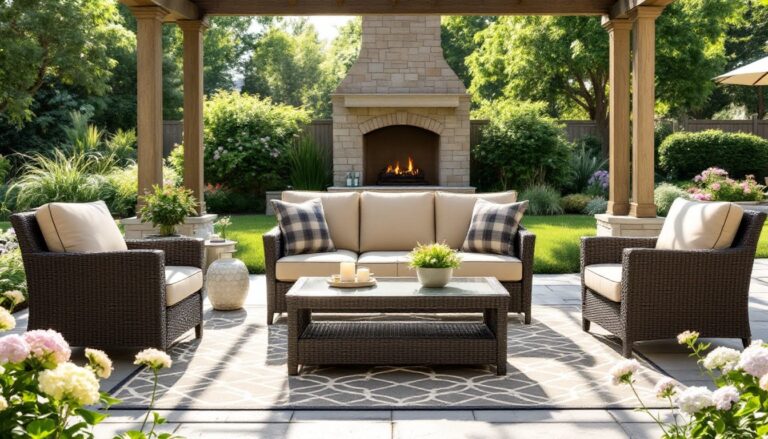
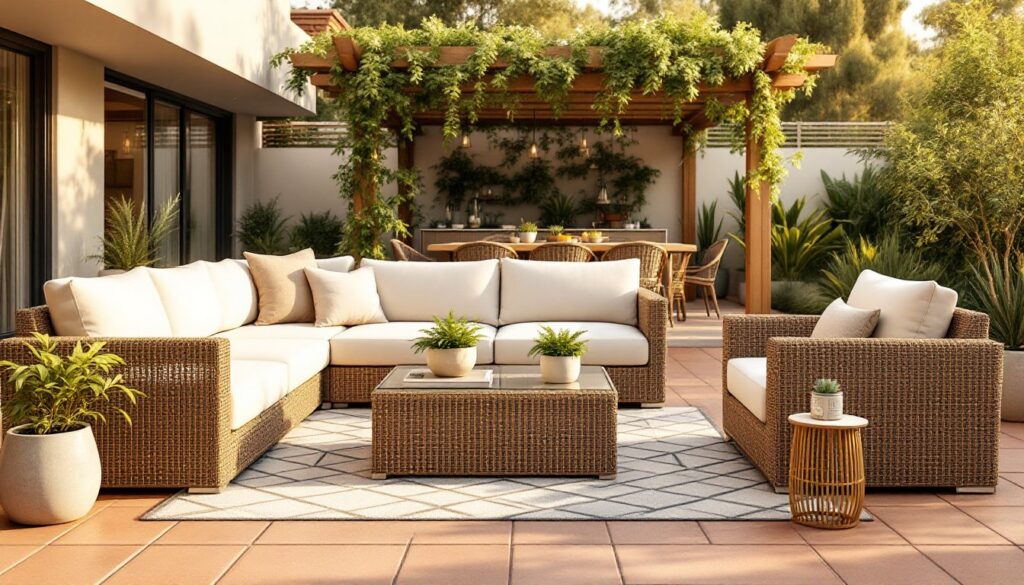
Sectional sofas anchor conversation areas and maximize seating without crowding the space. Modular wicker sectionals let homeowners reconfigure layouts for parties or tuck pieces against the wall for everyday use. Look for all-weather cushions with removable, washable covers rated for outdoor use. Cushion thickness should be at least 4–5 inches for comfort: thinner pads flatten quickly.
Lounge chairs and chaises work well for reading nooks or poolside zones. Adjustable backs add versatility. Check that the reclining mechanism is stainless steel or rust-resistant aluminum, cheaper hardware seizes after one season of moisture exposure.
Dining sets (table plus 4–6 chairs) create outdoor dining rooms. Wicker dining chairs should have reinforced frames and tightly woven seats to support weight without sagging. Tempered glass or powder-coated aluminum tabletops pair well with wicker bases: avoid natural wood tops unless they’re sealed marine-grade teak, as moisture warps softer woods.
Bistro sets (small table plus two chairs) fit balconies, small patios, or breakfast nooks. These are ideal for morning coffee or intimate dinners. Compact footprint doesn’t sacrifice style, many bistro sets feature intricate weaves and stackable chairs for off-season storage.
Accent pieces like wicker side tables, ottomans, or storage benches add function without bulk. Storage benches with lift-top lids keep cushions, throws, or gardening tools dry. Ensure the lid has gas struts or soft-close hinges to prevent finger pinches.
Swivel rockers or gliders bring motion and comfort to porches or shaded corners. The wicker frame should attach to a heavy-duty powder-coated steel swivel base, plastic bases crack under UV exposure and regular use.
How to Choose Durable Wicker Furniture That Lasts
Durability comes down to frame construction, weave quality, and hardware.
Frame material matters more than most buyers realize. Aluminum frames resist rust, stay lightweight, and handle temperature swings without warping. Powder-coated steel is heavier and stronger but can rust if the coating chips, inspect welds and joints for full coverage. Avoid thin-wall tubular steel in budget sets: it dents easily and weakens at stress points.
Weave tightness and strand thickness determine how well synthetic wicker holds up. Quality resin strands are 1.2–2.0 mm thick and woven tightly enough that minimal frame shows through. Thin, widely spaced weaves snag on clothing, collect debris, and unravel faster. Flip the furniture over and check underside weaves, if manufacturers skimp there, durability suffers overall.
UV-resistant resin is non-negotiable for sunny patios. HDPE resin formulated with UV inhibitors resists fading and brittleness. Cheaper polypropylene or PVC wicker fades to chalky gray within two seasons and cracks when flexed. If the product description doesn’t specify HDPE or UV rating, assume it won’t last.
Joint construction reveals build quality. Hand-tied or machine-secured weaves at joints should show no gaps or loose ends. Frames should use stainless steel screws, bolts, or rivets, not staples or uncoated fasteners that rust.
Weight capacity listed in specs indicates frame strength. Dining chairs should support at least 250–300 lbs, sectionals 300+ lbs per seat. If weight capacity isn’t listed, the manufacturer likely cut corners.
Warranty length signals confidence. Quality outdoor wicker comes with 3–5 year frame and weave warranties. Anything less suggests the manufacturer expects early failure.
Styling Your Patio with Wicker Furniture
Wicker’s neutral texture makes it a versatile foundation for multiple design styles.
Coastal or tropical themes pair wicker with navy, aqua, or coral cushions and natural fiber rugs. Add potted palms, driftwood accents, and lanterns for a resort feel. White or light gray wicker keeps the palette airy.
Modern minimalist patios benefit from dark espresso or charcoal wicker with solid-color cushions in taupe, charcoal, or crisp white. Keep accessories minimal, geometric planters, a single statement sculpture, and clean-lined outdoor rugs.
Farmhouse or cottage styles use honey-toned or weathered gray wicker with floral or stripe cushions. Layer in galvanized metal planters, vintage lanterns, and soft throws. Mixing wicker with reclaimed wood side tables reinforces the rustic vibe.
Bohemian or eclectic spaces embrace mixed patterns and textures. Combine wicker furniture with Moroccan-style poufs, layered outdoor rugs, and bold-print cushions. String lights or macramé hangings add whimsy without clutter.
Outdoor rugs define zones and soften hard patio surfaces. Choose polypropylene rugs rated for outdoor use, they resist mold, dry quickly, and handle UV exposure. Size the rug so all furniture legs rest on it, or at least front legs, to anchor the arrangement.
Cushions and pillows bring color and comfort. Solution-dyed acrylic fabrics (like Sunbrella) resist fading and mildew better than polyester blends. Removable covers simplify washing. Store cushions in a deck box or indoors during heavy rain or winter to extend lifespan.
Maintenance Tips to Keep Your Wicker Furniture Looking New
Wicker furniture requires consistent but simple upkeep.
Regular cleaning prevents dirt buildup that weakens weaves. For synthetic wicker, hose it down monthly and scrub with mild dish soap and a soft brush. Rinse thoroughly and air-dry. Natural wicker needs gentler care, vacuum with a brush attachment to remove dust, then wipe with a damp (not wet) cloth. Avoid soaking natural fibers.
Inspect weaves and frames quarterly. Look for loose strands, cracked resin, or rust spots on frames. Tighten screws and bolts as needed. Trim any fraying synthetic strands with scissors and apply a small dab of clear epoxy to prevent unraveling.
Protect from prolonged moisture. Even synthetic wicker benefits from covers during heavy rain or winter. Breathable, UV-resistant covers prevent mildew and extend furniture life. Ensure covers fit snugly but allow airflow, trapped moisture causes more damage than exposure.
Cushion care includes regular washing and proper storage. Remove covers and machine wash according to fabric care labels (usually cold water, gentle cycle). Let cushion inserts air out in the sun periodically to prevent mildew. Store cushions in a dry, ventilated space during off-season.
Avoid harsh chemicals. Skip bleach, ammonia-based cleaners, or pressure washers on wicker, they degrade resin and strip finishes. For stubborn stains on synthetic wicker, use a solution of 1 part white vinegar to 3 parts water.
Touch up natural wicker annually with exterior-grade sealant or paint. Light sanding smooths rough spots before recoating. This simple step prevents moisture infiltration and extends the furniture’s usable life by years.
Conclusion
Patio wicker furniture delivers style, comfort, and durability when chosen thoughtfully. Prioritizing quality materials, HDPE resin, aluminum frames, UV-resistant finishes, ensures years of outdoor enjoyment with minimal fuss. Whether the goal is a full dining setup or a cozy reading chair, wicker adapts to the space and lifestyle. Regular cleaning and seasonal care keep it looking sharp, season after season.