Table of Contents
TogglePalm Coast sits just a half-mile from the Atlantic, where salt spray, humidity, and afternoon thunderstorms put outdoor furniture through a beating most homeowners don’t anticipate. Unlike inland Florida cities, this coastal town demands furniture that can handle moisture year-round, UV exposure that fades cheaper materials in months, and wind gusts that test every frame joint. Choosing the wrong patio set here means replacing warped cushions, rusted frames, or mildewed fabric before the first year ends. This guide breaks down the materials, styles, retailers, and maintenance practices that keep Palm Coast patios functional and inviting, without constant repairs or premature replacement.
Key Takeaways
- Palm Coast patio furniture must resist salt air corrosion, high humidity (80–90% year-round), intense UV exposure, and heavy rainstorms—conditions that demand marine-grade materials over standard outdoor furniture.
- Best materials for Palm Coast include powder-coated aluminum frames, UV-stabilized polymer wicker, stainless steel grade 316, teak or eucalyptus wood, and solution-dyed acrylic fabrics like Sunbrella that resist fading and mold.
- Quick-dry cushion cores, mesh sling fabrics, and slatted tabletops that drain water prevent mold and mildew, while untreated canvas and standard polyurethane foam absorb moisture and fail rapidly in coastal humidity.
- Monthly rinsing with fresh water, quarterly cushion cleaning, tightening hardware every few months, and annual protective coatings on wood and metal dramatically extend patio furniture lifespan in Palm Coast’s climate.
- Local specialty retailers and coastal-focused outdoor furniture chains offer better guidance on corrosion-resistant materials and storm prep than big-box stores, with warranties and delivery services tailored to Florida’s demands.
- Store or cover furniture during hurricane season (June–November) and anchor heavy pieces to prevent wind damage; catching rust or mildew early through regular inspections saves replacement costs.
Why Palm Coast’s Climate Demands Specialized Patio Furniture
Palm Coast experiences 80–90% humidity for much of the year, with summer dew points regularly hitting 75°F or higher. That moisture doesn’t just make mornings sticky, it accelerates rust on untreated metal, promotes mold on fabric, and causes wood to swell, crack, or rot.
The coastal location adds salt air corrosion, even for homes a few miles inland. Salt particles settle on surfaces and eat through protective coatings, especially on aluminum and steel frames. Without marine-grade finishes or powder coating, most budget furniture shows pitting and surface rust within 18 months.
UV intensity in northeast Florida is significant year-round. The sun breaks down plastics, fades dyes, and degrades foam cushion cores. Furniture rated for general outdoor use often fails here because it wasn’t engineered for subtropical exposure.
Afternoon thunderstorms between May and October dump heavy rain with little warning. Furniture that doesn’t drain properly traps water, leading to mildew, staining, and frame degradation. Wind gusts during storms can flip lightweight sets or snap poorly joined frames.
These conditions rule out standard big-box patio sets made with untreated pine, basic polyester fabric, or non-galvanized hardware. Palm Coast furniture needs corrosion resistance, quick-dry materials, and UV-stable finishes as baseline features, not upgrades.
Best Materials for Palm Coast Patio Furniture
Not all outdoor furniture materials perform equally in coastal humidity and salt air. Here’s what holds up and what fails fast.
Aluminum frames (especially powder-coated or anodized) resist rust and corrosion better than steel. They’re lightweight, which makes rearranging easy, but can blow over in high winds unless weighted or secured. Welded joints outlast riveted or bolted connections.
Marine-grade polymer wicker or resin wicker mimics natural rattan but won’t absorb moisture or split. Look for UV-stabilized HDPE (high-density polyethylene) wicker, which resists fading and cracking. Cheap PVC wicker becomes brittle and snaps within two seasons under Florida sun.
Teak and eucalyptus are naturally rot-resistant hardwoods that weather to a silver-gray patina. They’re heavy, stable, and long-lasting but require annual cleaning and occasional oiling to prevent surface checking. Teak costs significantly more than eucalyptus but outlasts it. Avoid pressure-treated pine or cedar for coastal use, they don’t hold up to constant moisture and salt.
Stainless steel (grade 304 or 316) handles salt air without pitting, but it’s pricier than aluminum. Grade 316 (marine-grade) is worth the cost for homes within a mile of the ocean.
Wrought iron looks classic but rusts easily in Palm Coast unless it’s hot-dip galvanized and powder-coated. Even then, any chip in the finish invites corrosion. It’s better suited to covered lanais than open patios.
Weather-Resistant Frames and Fabrics
Solution-dyed acrylic fabrics (like Sunbrella) resist fading, mold, and mildew far better than standard polyester. The color is embedded in the fiber, not printed on top, so UV exposure doesn’t bleach it out. These fabrics also dry quickly and can be cleaned with mild soap and water.
Cushion cores should be open-cell foam wrapped in moisture barriers or quick-dry foam designed for marine use. Standard polyurethane foam absorbs water and stays damp, which breeds mold. Some manufacturers use recycled plastic fill that drains instantly, worth considering for uncovered seating.
Mesh sling fabrics (typically PVC-coated polyester) eliminate cushions entirely. They dry in minutes, don’t harbor mold, and conform to the body. They’re ideal for poolside loungers or high-traffic seating.
Avoid untreated canvas, cotton blends, or natural fiber cushions. They soak up humidity, stain easily, and require constant vigilance against mildew.
Top Styles for Palm Coast Outdoor Spaces
Palm Coast homes range from Intracoastal waterfront properties to canal-front bungalows and inland golf course lots. Furniture style should match exposure level and how the space gets used.
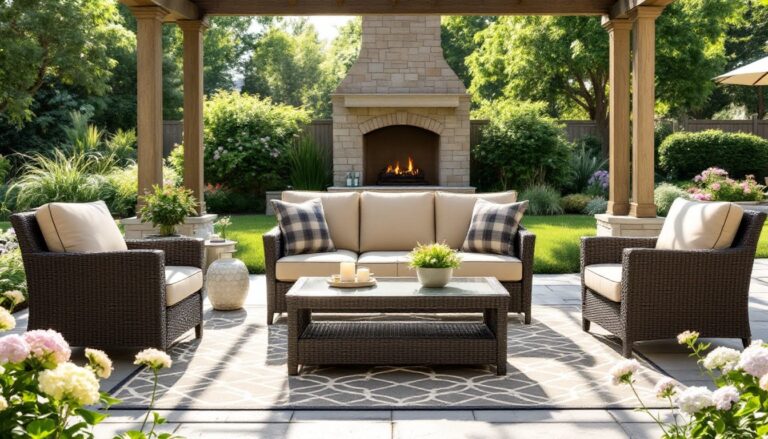
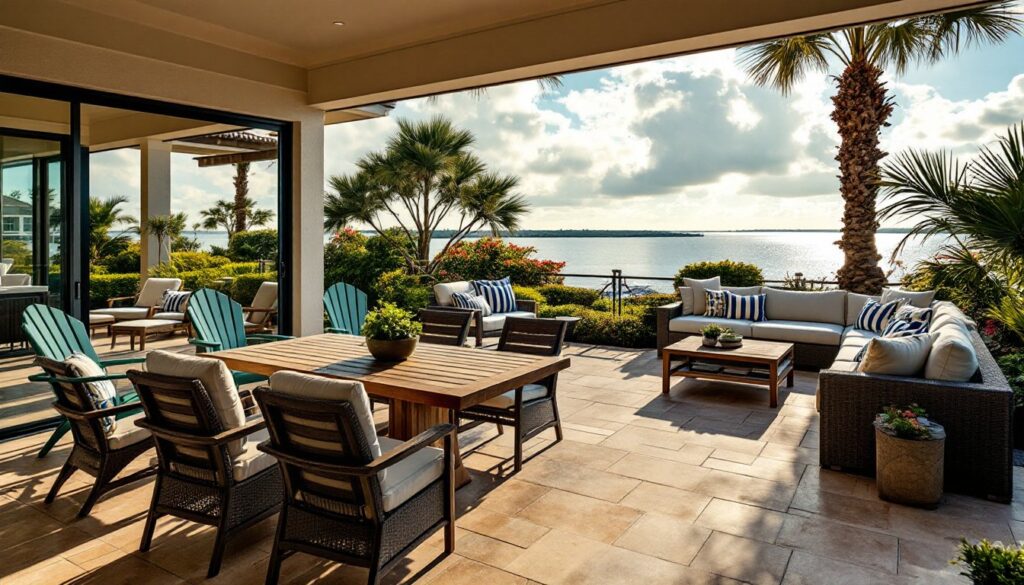
Deep-seating sectionals with modular pieces work well on covered lanais or screened patios. They allow flexible layouts and comfortable lounging. Pair them with all-weather cushions and store or cover them during hurricane season.
Bistro sets (small table, two chairs) fit balconies, side patios, or breakfast nooks. Folding metal or resin wicker models store easily and won’t overwhelm tight spaces. Look for rustproof finishes and drainage holes in seats.
Adirondack chairs made from recycled HDPE lumber (not wood) are low-maintenance, UV-stable, and heavy enough to resist wind. They’re comfortable without cushions and hose off easily after storms.
Dining sets should have slatted tabletops (wood or metal) that drain water and don’t trap leaves. Avoid glass tops in hurricane-prone areas, they can shatter or become projectiles. Stackable chairs make storage simpler when a storm warning hits.
Hammocks and hanging chairs need stainless steel or galvanized hardware and weather-resistant rope or fabric. Check mounting points annually, Florida’s humidity can weaken wood posts or fascia boards.
Outdoor daybeds and loungers are popular near pools or docks. Choose frames with corrosion-resistant coatings and quick-dry cushions. Wheels make repositioning easier, but ensure they lock to prevent rolling in wind.
Where to Buy Patio Furniture in Palm Coast
Local and regional retailers offer furniture suited to Florida’s climate, often with better warranties and delivery than national chains.
Local specialty stores in Palm Coast and nearby Flagler County stock brands engineered for coastal conditions. Staff can recommend materials and finishes based on proximity to the ocean, sun exposure, and whether the patio is covered. Delivery and assembly are typically included, and they handle warranty claims locally.
Big-box home improvement stores (Lowe’s, Home Depot) carry budget-friendly options and mid-range sets. Selection peaks in spring: late summer and fall bring clearance pricing. Check frame materials and fabric specs closely, not all “outdoor” furniture handles salt air.
Outdoor furniture chains like Patio Furniture USA or regional Florida dealers specialize in coastal-grade materials. They carry Tropitone, Kingsley Bate, Brown Jordan, and similar brands known for marine-worthy construction. Prices run higher, but longevity offsets the initial cost.
Online retailers (Wayfair, Overstock, Amazon) offer wide selection and competitive pricing, but shipping damage is common with large furniture. Verify return policies and whether assembly is included. Read reviews specifically mentioning Florida, coastal use, or humidity to gauge real-world performance.
Estate sales and Craigslist can yield high-end used furniture at steep discounts. Inspect frames for rust, joints for stability, and cushions for mold or odors. Teak and aluminum sets are worth buying used if the frame is sound: budget wicker and cushions usually aren’t.
Custom fabricators in the Palm Coast area build furniture to exact specs and can match HOA color restrictions or unusual dimensions. Costs are higher, but it’s an option for waterfront homes needing specific materials or anchoring systems.
Maintenance Tips for Long-Lasting Patio Furniture in Coastal Florida
Proper upkeep extends furniture life by years and prevents expensive replacements. Here’s what actually works in Palm Coast’s climate.
Rinse frames monthly with a garden hose to remove salt residue, pollen, and dirt. Use a soft brush and mild dish soap for stubborn grime. Avoid pressure washers on wicker or cushioned furniture, they can damage weave or force water into foam cores.
Inspect and tighten hardware every few months. Humidity causes wood to swell and contract, loosening screws and bolts. Stainless steel or coated fasteners resist corrosion: replace rusted hardware immediately to prevent frame failure.
Clean cushions quarterly. Remove covers (if zippered) and wash according to fabric care labels, most solution-dyed acrylics tolerate machine washing on gentle cycle. Air-dry completely before replacing. For non-removable cushions, scrub with mild soap, rinse thoroughly, and stand on edge to drain.
Treat mold or mildew as soon as it appears. Mix one cup of white vinegar or oxygen bleach per gallon of water, scrub affected areas, rinse, and dry in full sun. Chlorine bleach works but can fade some fabrics.
Apply protective coatings annually. Teak oil or sealer keeps hardwood from graying or checking. Automotive wax on powder-coated metal adds a moisture barrier. UV protectant sprays extend the life of plastic and resin wicker.
Store or cover furniture during hurricane season (June–November) or extended absences. Waterproof covers with vents prevent condensation buildup: tie-downs keep them secure in wind. Stack chairs, flip tables, and remove loose cushions.
Anchor heavy pieces if your patio faces open water or frequent gusts. Concrete footings, ground anchors, or weighted bases prevent tipping or movement. This is especially important for umbrellas, which act as sails in wind.
Check for rust or corrosion on joints, legs, and fasteners. Catch it early, and you can sand, prime, and repaint with rust-inhibiting paint. Once rust eats through a frame member, replacement is usually the only fix.
Conclusion
Palm Coast’s combination of salt air, high humidity, and intense sun makes patio furniture selection more critical than in most of Florida. Investing in marine-grade materials, UV-stable fabrics, and corrosion-resistant frames saves money and frustration over replacing budget sets every few years. Regular rinsing, seasonal inspections, and proper storm prep keep even high-quality furniture performing through decades of coastal weather. Choose materials suited to the environment, buy from retailers who understand Florida’s demands, and maintain it consistently, the result is outdoor living space that works as hard as it looks good.