Table of Contents
ToggleA master bedroom should feel like a personal sanctuary, a place where high-quality materials, thoughtful design, and comfort converge. Luxurious bedroom furniture isn’t about chasing trends or filling a room with expensive pieces: it’s about selecting items that enhance daily life through superior craftsmanship, timeless aesthetics, and functional design. Whether someone is furnishing a new home or upgrading an existing space, understanding what separates premium furniture from standard offerings makes all the difference. The right choices create a retreat that looks impressive and performs flawlessly for decades.
Key Takeaways
- Luxury master bedroom furniture is defined by three core elements: superior construction quality using solid hardwoods, material integrity through advanced finishing techniques, and timeless design that prioritizes function and longevity over trends.
- A quality bed frame should feature solid hardwood rails, full-extension drawer slides, and proper mattress support with slats spaced no more than 3 inches apart, while nightstands and dressers must align in height and feature substantial hardware and smooth-gliding mechanisms.
- Premium bedroom furniture uses solid hardwoods like walnut, cherry, and white oak with hand-rubbed finishes and advanced joinery methods such as dovetail construction and mortise-and-tenon frames, which resist damage far better than mass-market alternatives.
- Careful room planning—including precise measurements, doorway clearance checks, and wood tone matching—ensures luxury master bedroom furniture integrates seamlessly and maintains functionality for decades of daily use.
- Material selection matters significantly: performance fabrics with stain-resistant finishes and top-grain leather develop beautiful patinas, while metal accents in brass, bronze, or steel should feature welded joints rather than bolted connections for stability and aesthetics.
What Defines Luxury in Master Bedroom Furniture
Luxury in bedroom furniture comes down to three core elements: construction quality, material integrity, and design longevity. High-end pieces use solid hardwoods like walnut, cherry, or white oak, not particle board or veneer over MDF. Joinery methods matter: dovetail drawer construction, mortise-and-tenon frames, and corner blocks provide structural integrity that outlasts glued joints and staples.
Finishes separate premium furniture from budget options. Hand-rubbed oils, catalyzed conversion varnish, and multi-step staining processes protect wood while enhancing grain patterns. These finishes resist water rings, scratches, and UV damage far better than spray lacquers used on mass-market furniture.
Another defining characteristic is proportion and scale. Luxury furniture is designed with room dimensions in mind, pieces feel substantial without overwhelming the space. A quality bed frame might feature a headboard that’s 60-65 inches tall, providing visual weight that anchors the room. Drawer depths on dressers typically range from 5-7 inches for clothing storage, with smooth-gliding, full-extension slides rated for 75+ pounds.
Customization options also mark high-end furniture. Many premium manufacturers offer choice in wood species, finish color, hardware styles, and even dimensional adjustments to fit specific room layouts. This level of personalization ensures each piece integrates seamlessly with the homeowner’s vision.
Essential Pieces for a Luxurious Master Bedroom
Statement Beds That Command Attention
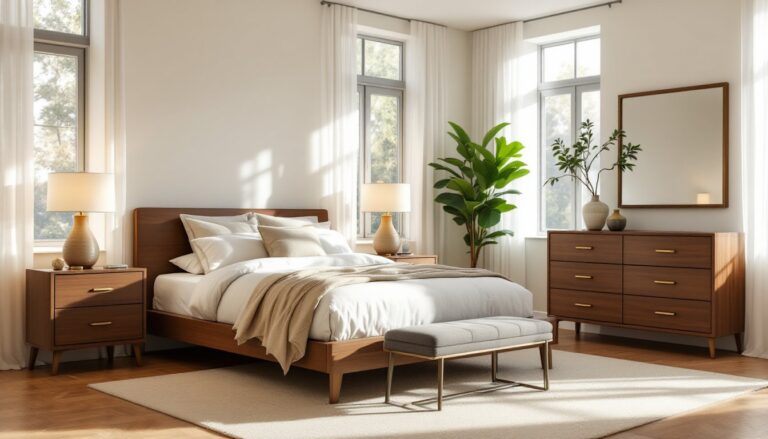
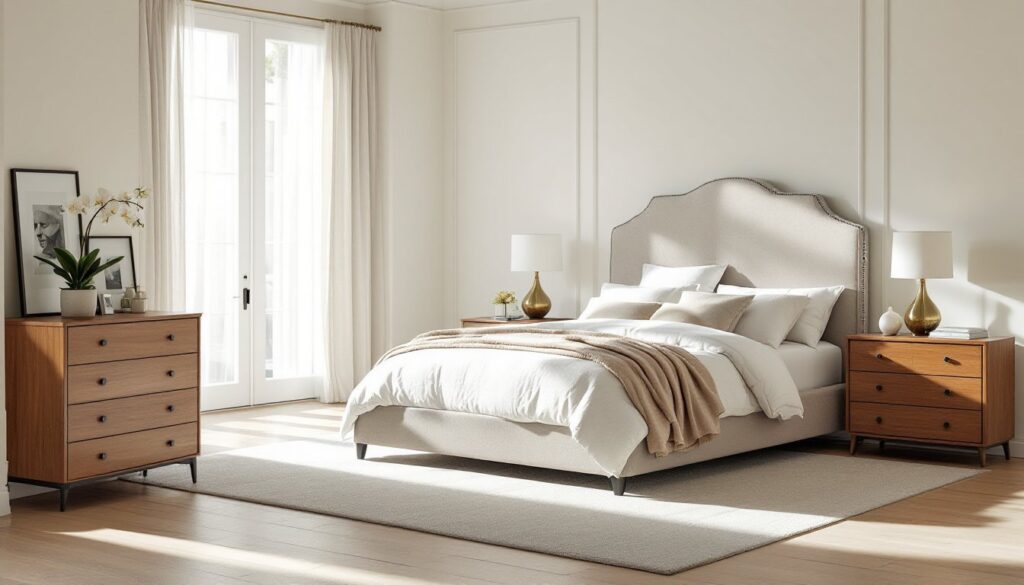
The bed serves as the room’s focal point and deserves careful selection. Upholstered beds wrapped in linen, velvet, or leather offer a hotel-suite aesthetic, with channel tufting or nailhead trim adding texture. Frame construction should include a solid wood skeleton, look for hardwood rails and slats spaced no more than 3 inches apart for proper mattress support.
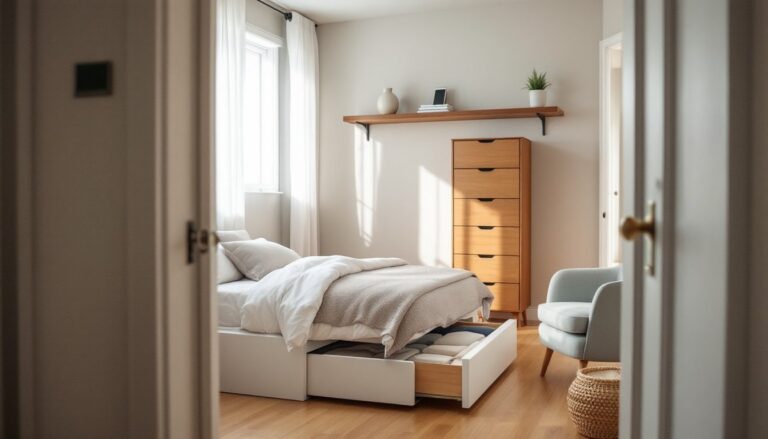
Platform beds with integrated storage deliver both form and function. Hydraulic-lift mechanisms allow access to under-bed space without removing the mattress, ideal for storing seasonal bedding or out-of-season clothing. Quality lift systems use gas struts rated for 1,000+ cycles.
Four-poster and canopy beds in dark woods or brushed metals create dramatic visual impact. Posts should be solid wood, not hollow, with cross-section dimensions of at least 3×3 inches for stability. When selecting a canopy bed, measure ceiling height, posts typically stand 80-84 inches tall, and homeowners need at least 9-foot ceilings to avoid a cramped feel.
Mattress compatibility matters. Most luxury bed frames accommodate standard mattress depths of 10-14 inches, but pillow-top or hybrid mattresses can measure 16+ inches. Side rails should sit low enough that the mattress top lands 24-26 inches from the floor, the ergonomic sweet spot for getting in and out of bed.
Premium Nightstands and Dressers
Nightstands should stand 24-28 inches tall to align with typical mattress heights. Look for models with at least one drawer fitted with full-extension slides and a lower shelf or cabinet for additional storage. Premium nightstands often include features like built-in USB ports, wireless charging surfaces, or felt-lined top drawers for valuables.
Top surface area matters, aim for at least 20×18 inches to accommodate a table lamp, alarm clock, and a book or tablet. Solid wood tops 3/4 to 1 inch thick resist warping and handle the weight of ceramic or metal lamps without flexing.
Dressers in luxury bedrooms balance storage capacity with aesthetic restraint. A standard dresser measures 60-72 inches wide with 6-9 drawers, providing ample space for folded clothing. Drawer boxes should be solid wood with 1/2-inch sides, not thin plywood. Cedar-lined drawers in the bottom row offer natural moth protection for woolens.
Hardware isn’t just decorative, knobs and pulls should feel substantial, typically weighing 2-4 ounces each. Brushed brass, unlacquered bronze, and matte black finishes resist fingerprints better than polished chrome.
Materials and Finishes That Elevate Your Bedroom
Solid hardwoods remain the gold standard for bedroom furniture. Walnut offers rich, chocolate-brown tones with striking grain variation. Cherry darkens to a deep amber patina over time. White oak provides a lighter, modern look with prominent ray fleck patterns. Each species has a Janka hardness rating, walnut scores 1,010, cherry 950, and white oak 1,360, indicating resistance to dents and scratches.
For upholstered pieces, performance fabrics make sense in bedrooms. Linen blends treated with stain-resistant finishes handle daily use without constant maintenance. Velvet adds luxury but requires regular vacuuming to prevent crushing: 100% cotton velvet holds up better than polyester versions. Top-grain leather develops a desirable patina but needs conditioning every 6-12 months.
Metal accents in brass, bronze, or steel introduce contrast against wood tones. Unlacquered metals develop a natural patina: lacquered versions maintain their original finish indefinitely. When selecting metal bed frames or accent furniture, look for welded joints rather than bolted connections, they’re quieter and more stable.
Finish choices impact both appearance and durability. Oil finishes penetrate wood fibers, offering a natural, matte look that’s easy to repair with a fresh coat. Conversion varnish provides a harder protective layer ideal for high-touch surfaces like dresser tops. Distressing techniques, wire brushing, hand scraping, or antiquing, add character but should enhance the wood, not hide poor-quality material underneath.
Hardware finishes should complement other metal elements in the room. Mixing metals works when undertaken deliberately, warm brass with cool nickel, for example, but requires consistent application across all pieces.
Design Styles for High-End Master Bedrooms
Contemporary luxury emphasizes clean lines, minimal ornamentation, and neutral palettes. Furniture features flush drawer fronts, integrated pulls, and smooth surfaces. Materials lean toward lighter woods like white oak or maple, often with matte finishes. Upholstered headboards in linen or bouclé provide texture without pattern.
Traditional elegance incorporates carved details, raised panels, and classic proportions. Beds feature turned posts or shaped headboards. Dressers showcase crown molding and fluted columns. Woods trend darker, mahogany, cherry, or walnut, with medium to high-gloss finishes. This style pairs well with ornate hardware in antique brass or oil-rubbed bronze.
Transitional designs split the difference, combining traditional warmth with contemporary restraint. Furniture silhouettes stay simple, but wood choices and finishes add richness. A platform bed might use walnut with visible grain but skip the ornate carvings. Nightstands feature simple pulls rather than elaborate hardware. This approach offers flexibility, pieces work in multiple design contexts.
Modern organic brings natural materials and earthy tones to the forefront. Live-edge wood slabs, woven rattan panels, and matte black metal frames create a relaxed yet refined atmosphere. This style often mixes wood tones, a light oak dresser with a darker walnut bed, as long as the overall palette stays cohesive.
When selecting a style, homeowners should consider architectural details in their space. Crown molding, wainscoting, and ceiling height influence which furniture designs look proportional. Traditional furniture feels at home in spaces with architectural detailing: contemporary pieces shine in open, minimal environments.
How to Select Furniture That Maximizes Comfort and Elegance
Start with room measurements. Map out wall lengths, door swings, and window placements on graph paper (1/4 inch = 1 foot works well). Account for baseboards, they typically extend 1/2 to 3/4 inch from the wall. Leave at least 30 inches of clearance on each side of the bed for easy movement and 36 inches at the foot for making the bed without contorting.
Test furniture in person whenever possible. Sit on the bed edge to check height, feet should rest flat on the floor. Open drawers fully to assess glide quality and check for stops that prevent them from falling out. Inspect joinery at drawer corners and feel inside for rough edges or exposed staples.
Consider delivery logistics early. Measure doorways, stairwells, and hallways. Most bed frames disassemble, but large dressers and armoires might not fit through a 32-inch doorway. Some furniture requires professional assembly, confirm whether delivery includes setup or just curbside drop-off.
Match wood tones by bringing finish samples home. Natural light reveals undertones that showroom fluorescents hide. Woods don’t need to match exactly, but they should share similar warm or cool undertones. A gray-washed oak nightstand clashes with honey-toned pine.
For upholstered pieces, request fabric samples to test against existing bedding and window treatments. Check the cleaning code, W (water-based cleaner), S (solvent-based), WS (either), or X (vacuum only). Performance fabrics marked WS offer the most flexibility.
Finally, verify warranty terms. Premium furniture should include at least a one-year manufacturer’s warranty covering structural defects. Some makers offer lifetime warranties on frames and joinery. Upholstery typically carries shorter coverage, one to three years on fabric and cushions. Keep receipts and document the furniture’s condition on delivery day with photos.