Table of Contents
ToggleChoosing patio furniture isn’t just about comfort or style, it’s about picking a material that’ll survive whatever the backyard throws at it. Rain, sun, humidity, temperature swings, and even the occasional spilled margarita all take their toll. The wrong choice means faded cushions, cracked frames, or a full replacement in two seasons. The right material, though, can deliver years of low-maintenance outdoor living. Understanding the pros, cons, and real-world performance of each option helps homeowners invest wisely and avoid costly mistakes. This guide breaks down the most popular patio furniture materials and how to match them to climate, budget, and lifestyle.
Key Takeaways
- Selecting the right patio furniture material determines longevity and maintenance burden—teak, aluminum, and synthetic wicker offer years of durability, while untreated softwoods and basic polypropylene require frequent replacement.
- Patio furniture material must match your climate: humid regions demand synthetic wicker and stainless steel, hot climates favor aluminum and recycled plastic, while coastal areas require marine-grade stainless steel or teak to resist salt corrosion.
- Aluminum delivers rust-proof durability and lightweight portability at mid-range prices, but steel offers classic styling and stability at the cost of annual rust inspections and touch-up maintenance.
- Synthetic resin wicker outperforms natural rattan outdoors, lasting 10–15 years without mold or UV degradation when paired with aluminum frames and quality acrylic cushions.
- Lifestyle factors matter as much as material science—families and frequent entertainers benefit from low-maintenance aluminum and resin, while committed homeowners willing to seal or oil can invest in wood or steel for aesthetic rewards.
Why Patio Furniture Material Matters More Than You Think
Material choice determines longevity, maintenance burden, and whether furniture survives a single season or a decade. Outdoor furniture faces UV degradation, moisture infiltration, mold growth, and thermal expansion, conditions that destroy indoor pieces in months.
A teak bench can sit uncovered through Pacific Northwest winters and still look good. A budget pine chair without proper sealing? It’ll warp, split, and rot by spring. Metal frames resist structural failure but conduct heat, steel chairs in Arizona sun become unusable without cushions. Resin wicker shrugs off humidity that would destroy natural rattan in a single summer.
Material also dictates weight and portability. Aluminum sets move easily for cleaning or storage. Cast iron stays put during windstorms but requires two people and a dolly to reposition. Homeowners who store furniture seasonally need lighter options: those leaving pieces out year-round need weather-resistant heavyweights.
Ignoring material science leads to peeling finishes, sagging frames, and constant touch-ups. Matching material properties to local climate and use patterns is the difference between furniture that ages gracefully and junk headed for the curb.
Wood: Classic Beauty with Natural Appeal
Wood delivers warmth and traditional aesthetics no synthetic can replicate, but species selection matters enormously. Not all wood weathers equally.
Teak is the gold standard. Its natural oils repel moisture and resist rot, insects, and UV damage. It weathers to a silver-gray patina unless treated with teak oil annually. Expect to pay premium prices, quality teak dining sets start around $1,500 and climb quickly. Teak requires minimal maintenance: occasional cleaning with mild soap and water, plus optional oiling if the original honey tone is preferred.
Eucalyptus offers similar density and weather resistance at a lower price point, typically 30-40% less than teak. It’s sustainably harvested and naturally rot-resistant, though it benefits from annual sealing in wet climates.
Acacia and shorea are budget-friendly hardwoods that need more maintenance. Both require sealing every 1-2 years to prevent cracking and water damage. They’re suitable for covered patios or dry climates but struggle in high-humidity regions.
Avoid softwoods like pine or cedar for primary outdoor seating unless they’re pressure-treated and sealed religiously. They’re fine for Adirondack chairs or planters with regular upkeep but won’t match hardwood longevity.
All wood furniture benefits from furniture covers during off-season or prolonged rain. Even teak lasts longer when protected from standing water. Elevate wooden furniture on patio feet or rubber pads to prevent ground moisture from wicking into legs and causing rot at contact points.
Metal: Durability Meets Modern Design
Metal furniture handles structural loads and weather extremes that would destroy other materials, but each metal type has distinct trade-offs.
Aluminum dominates the outdoor furniture market for good reason. It’s rust-proof, lightweight (a full dining chair weighs 15-20 lbs), and available in powder-coated finishes that resist chipping. Cast aluminum mimics ornate wrought iron designs without the weight or corrosion issues. Extruded aluminum frames are lighter and more affordable. The downside? It’s not as stable in wind without added weight, and cheaper models can feel flimsy.
Wrought iron and steel offer classic styling and serious heft, a bistro set won’t budge in a storm. But steel rusts. Period. Even powder-coated or galvanized steel eventually shows corrosion at welds, joints, and anywhere the finish chips. Plan on annual inspections, touch-up paint, and eventual refinishing. Steel works best in arid climates or under covered patios. In coastal or humid regions, expect constant maintenance.
Stainless steel eliminates rust concerns entirely and suits modern, minimalist designs. It’s expensive, often double the cost of aluminum, and shows fingerprints and water spots unless wiped down regularly. It’s the best choice for poolside furniture or salt-air environments where other metals fail.
All metal furniture gets dangerously hot in direct sun. Dark powder-coat finishes can reach 140°F or higher. Cushions are non-negotiable in southern exposures, or choose lighter finishes that reflect heat. Metal conducts cold, too, bare frames are unpleasant on cool spring or fall evenings.
Wicker and Rattan: Timeless Texture for Any Setting
Wicker refers to the weaving style, not the material. Traditional natural rattan and modern synthetic resin wicker look similar but perform completely differently outdoors.
Natural rattan comes from a tropical vine and delivers authentic texture and warmth. It’s lightweight, comfortable, and biodegradable. But it’s strictly for covered outdoor areas or indoor use. Moisture causes mold, warping, and rapid deterioration. UV exposure dries and cracks the fibers. Natural rattan requires covered storage or a fully enclosed porch. Even then, expect 3-5 years of life in humid climates.
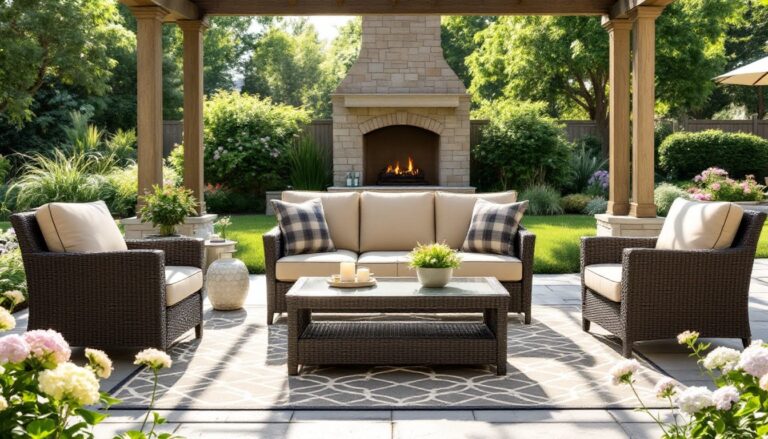
Synthetic resin wicker (also called all-weather wicker or PE wicker) is extruded polyethylene or PVC designed to mimic natural fibers. It’s UV-stabilized, waterproof, and won’t crack, fade, or mold. Quality synthetic wicker furniture lasts 10-15 years outdoors with minimal care, just hose it off occasionally and check the frame underneath.
The frame beneath the wicker matters as much as the weave. Aluminum frames resist rust and keep weight manageable. Steel frames add stability but need powder-coating and eventual touch-ups. Cheap wicker furniture uses thin-walled steel tubing that rusts out in 2-3 seasons.
Look for hand-woven synthetic wicker over molded patterns. Hand-woven pieces have tighter, more durable weaves and look more authentic. Check weave density, tight, closely spaced strands hold up better than loose, widely spaced weaves that sag and snag.
Cushions make or break wicker comfort. Invest in solution-dyed acrylic fabric (Sunbrella is the leading brand) with quick-dry foam cores. Cheap polyester cushions fade and mildew within a season.
Plastic and Resin: Budget-Friendly and Low-Maintenance
Plastic and resin furniture often gets dismissed as cheap or disposable, but modern high-density options deliver surprising durability for the price.
Basic polypropylene stacking chairs and side tables are the lightweight, sub-$20 options found at big-box stores. They’re fine for occasional use, poolside seating, or events, but UV exposure makes them brittle over time. Expect 2-4 years before cracking starts, sooner in intense sun. They’re easy to replace, nearly weightless, and stack for compact storage. Just don’t expect heirloom quality.
Recycled plastic lumber (often marketed as poly lumber or HDPE furniture) is a different category entirely. Made from post-consumer milk jugs and detergent bottles, it looks like painted wood but never rots, splinters, or needs sealing. It’s heavy, comparable to wood, and available in traditional Adirondack chairs, picnic tables, and gliders. Quality brands like Polywood offer 20-year warranties. Prices approach or exceed wood alternatives, but maintenance is nearly zero: soap, water, and an occasional scrub.
Resin furniture resists stains, moisture, and most chemicals. It won’t rust, rot, or require refinishing. The trade-off is aesthetics, it lacks the warmth of wood or the elegance of metal. Some people don’t mind: others find it looks perpetually like pool furniture.
Check for UV-stabilized resin. Cheaper plastic without UV inhibitors fades from vibrant colors to chalky pastels within a season. Quality resin maintains color for years.
Weight matters for stability. Lightweight plastic chairs blow over or end up in the pool during storms. Add sand-filled bases or store them when wind’s forecast.
How to Match Material to Your Climate and Lifestyle
Climate drives material performance more than any other factor. Here’s how to match conditions to materials:
Hot, sunny climates (Southwest, Southern California): Aluminum, powder-coated steel, or synthetic wicker handle intense UV without degrading. Avoid dark metal finishes that become scorching to touch. Teak works but fades quickly without oil treatments. Recycled plastic lumber excels here, it won’t warp or crack in triple-digit heat.
Humid, rainy regions (Southeast, Gulf Coast, Pacific Northwest): Teak, aluminum, stainless steel, and synthetic wicker are top choices. Avoid natural rattan, untreated wood, and steel without rust-resistant coatings. Mold and mildew grow on any porous surface, choose smooth, non-porous materials that rinse clean.
Coastal areas: Salt air accelerates corrosion. Stick with marine-grade stainless steel, aluminum, teak, or recycled plastic. Even powder-coated steel will eventually pit and rust. Rinse furniture monthly to remove salt residue.
Cold climates with seasonal use: If furniture gets stored for winter, weight and stackability matter. Aluminum and basic resin stack easily and survive unheated sheds or garages. Wood and wicker need dry, ventilated storage to prevent mold.
Lifestyle considerations: Families with kids need furniture that’s easy to clean and hard to destroy, aluminum and resin win. Frequent entertainers may want quick-dry cushions and stain-resistant surfaces. Renters or frequent movers benefit from lightweight, budget-friendly options they won’t cry over when relocating.
Maintenance tolerance is the final filter. Teak and quality metal require minimal upkeep. Wood species like acacia demand seasonal sealing. Steel needs rust inspections and touch-up paint. Match material demands to the time and effort available.
Conclusion
The best patio furniture material isn’t universal, it’s the one that fits the climate, budget, and how much maintenance a homeowner’s willing to tackle. Teak and aluminum deliver long-term value with minimal fuss. Synthetic wicker balances aesthetics and durability. Steel and natural materials require commitment but reward those willing to maintain them. Skipping research and grabbing whatever’s on sale leads to replacements every few seasons. Invest time upfront matching material to conditions, and the furniture will outlast the patio itself.