Table of Contents
ToggleBrown Jordan has defined luxury outdoor furniture since 1945, setting a standard that few brands even attempt to match. For homeowners who want patio furniture that performs like investment-grade architecture, engineered to endure decades of sun, rain, and UV without fading or failing, this is the name that comes up first. The brand’s pieces aren’t just seating: they’re outdoor heirlooms with price tags and performance specs to match. This guide walks through what separates Brown Jordan from mass-market alternatives, which collections deliver the best value, and how to select, maintain, and source pieces that’ll outlast the mortgage.
What Makes Brown Jordan the Gold Standard in Outdoor Furniture
Brown Jordan earned its reputation by solving the problem most outdoor furniture can’t: genuine weather resistance without compromise in design. Founded in Pasadena, California, the company pioneered the use of extruded aluminum tubing in outdoor furniture frames during the post-war era, a material choice that remains central to their durability today.
Unlike powder-coated steel (which rusts through chips) or resin wicker (which cracks under UV), Brown Jordan’s aluminum frames are inherently corrosion-resistant. The extrusion process creates seamless, hollow tubes that are simultaneously lightweight and structurally sound. Wall thicknesses typically range from 0.065″ to 0.125″, depending on the collection, thicker than most competitors.
The brand also maintains tight tolerances on welds and joints. Each connection point is TIG-welded, ground smooth, and finished to prevent moisture intrusion. These aren’t cosmetic touches: they’re engineering decisions that prevent the joint failures common in budget furniture after two or three seasons.
Another differentiator: Sunbrella and Outdura fabrics as standard upholstery. These solution-dyed acrylics resist fading to a degree polyester can’t match, with colorfastness ratings around 1,500+ hours in accelerated weathering tests. Most Brown Jordan cushions also feature open-cell foam cores that drain water and dry quickly, preventing mildew.
Design-wise, the brand collaborates with known industrial designers and architects, resulting in pieces that look intentional rather than generic. Whether it’s the mid-century lines of the Quantum collection or the contemporary geometry of the Flight series, these aren’t catalog knock-offs.
Brown Jordan’s Iconic Patio Furniture Collections
Brown Jordan organizes its catalog into distinct collections, each targeting different aesthetics and functional needs. Here are the lines that define the brand in 2026.
Quantum remains the flagship collection. Designed by Richard Frinier, it features curved, tubular aluminum frames with a retro-modern profile. The collection includes deep-seating lounge chairs, chaises, and modular sectionals. Quantum works well in mid-century or contemporary settings and is available in about a dozen powder-coat finishes.
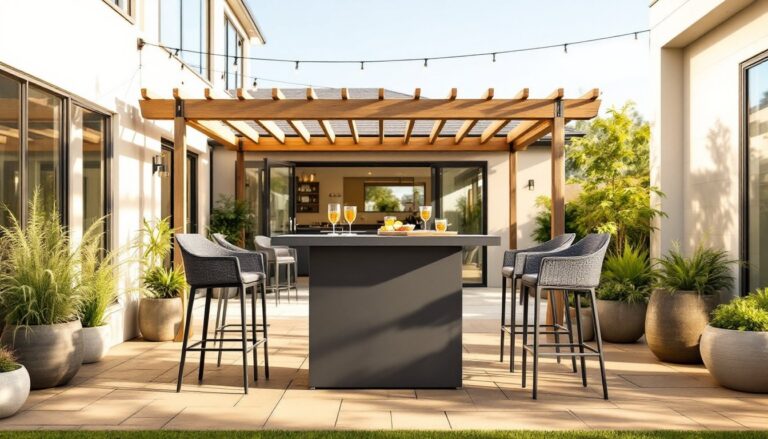
Pasadena pays homage to the brand’s California roots with clean, geometric frames and generous proportions. It’s a solid choice for minimalist or transitional outdoor spaces. The collection includes dining tables with tempered glass or porcelain tops, plus matching armchairs and bar stools.
Flight leans modern, with angular silhouettes and mixed materials, aluminum frames combined with teak slats or synthetic woven straps. It’s lighter visually than Quantum but just as durable. Dining and lounge options are both available.
Tamiami offers a more traditional look, with wider frames and classic proportions. It’s often specified for resort or hospitality projects but works equally well in residential settings where formality matters.
Greystone is the budget-friendly entry point (relatively speaking). It uses the same aluminum extrusions but simpler frame geometry and fewer finish options. It’s still Brown Jordan quality, just without the designer premium.
Each collection is modular to some degree, allowing homeowners to mix seating depths, arm styles, and table configurations. Most pieces are available as quick ship (standard finishes, 4–6 weeks) or custom order (any finish, 10–14 weeks).
Materials and Craftsmanship: Why Brown Jordan Lasts Decades
Longevity in outdoor furniture comes down to material selection and joint integrity. Brown Jordan’s approach is methodical.
Frames are built from 6063-T6 aluminum alloy, an extruded grade known for corrosion resistance and weldability. The T6 temper provides tensile strength around 35,000 psi, which is overkill for furniture but ensures frames don’t flex or fatigue under load. Tube walls are thicker than industry average, and all cuts are deburred to prevent sharp edges.
Powder coating is applied after a multi-stage phosphate wash and rinse cycle, which etches the aluminum surface for better paint adhesion. The powder itself is a polyester or polyurethane blend, cured at around 400°F. This creates a finish that’s harder and more UV-stable than liquid paint. Expect minimal chalking or fading over a 10–15 year span, even in direct sun.
For collections that incorporate wood, Brown Jordan uses plantation-grown teak with a tight grain and high oil content. Teak weathers to a silver-gray patina naturally, or it can be maintained with teak oil if the original honey tone is preferred. The wood is kiln-dried to around 12% moisture content before milling, reducing the risk of cracking.
Woven elements, found in collections like Flight, use Viro or HDPE synthetic wicker rather than natural rattan. These materials are UV-stabilized and won’t become brittle. Weaving is done by hand over aluminum sub-frames, with each strand tensioned and fastened individually.
Cushion cores are reticulated polyurethane foam, which has an open-cell structure that allows water to pass through. Covers are removable and machine-washable (cold water, air dry). Zippers are self-healing coil type, typically YKK or equivalent, with corrosion-resistant pulls.
Choosing the Right Brown Jordan Furniture for Your Space
Selecting pieces requires measuring the space, understanding how it’ll be used, and matching the collection to the home’s architecture.
Start by mapping the patio or deck footprint. Measure total area, then subtract 36–48 inches around the perimeter for circulation. What’s left is your usable furniture zone. For dining, allow 24 inches per seat along table edges, plus another 36 inches behind chairs for pulling them out. Lounge seating needs less precision but should leave clear sight lines and pathways.
Consider exposure. South-facing patios get more UV: west-facing areas take afternoon heat. While Brown Jordan finishes are UV-stable, darker powder coats (espresso, charcoal) will feel hotter to the touch than lighter tones (canvas, taupe). For high-sun areas, stick with lighter finishes and add shade structures if possible.
Frame style should complement the home. Mid-century modern homes pair naturally with Quantum or Greystone. Contemporary builds suit Flight or Pasadena. Traditional or transitional architecture works with Tamiami. Don’t mix collections on the same patio unless there’s a deliberate design reason, the lines don’t always play well together.
Cushion thickness affects comfort and proportion. Deep-seating lounge pieces typically use 5–6 inch cores, while dining chairs use 2–3 inches. Thicker isn’t always better: overstuffed cushions can look bulky on smaller patios.
For dining tables, porcelain tops are more durable than glass and won’t show water spots as easily. Glass is lighter and less expensive but requires more maintenance. Teak or aluminum slat tops are low-maintenance but lack the formal look of a solid surface.
If the space sees heavy use, kids, pets, frequent entertaining, opt for performance-grade upholstery in darker, patterned fabrics. Solids show stains faster, even with Sunbrella.
Caring for Your Brown Jordan Patio Furniture
Proper maintenance extends the life of even the best-built furniture. Brown Jordan’s care requirements are minimal but not zero.
Frames: Wash with mild dish soap and water every 4–6 weeks during the season. Use a soft-bristle brush or microfiber cloth, avoid abrasive pads that can scratch powder coating. Rinse thoroughly and dry with a towel to prevent water spots. For stubborn grime, a diluted Simple Green solution works without harming the finish.
Inspect welds and joints annually. Look for any finish chips or scratches, especially on arm caps and feet where contact is frequent. Touch up small chips with automotive touch-up paint matched to the powder coat color. This prevents moisture from reaching the aluminum.
Cushions: Remove covers and machine wash in cold water with mild detergent. Air dry only, heat can shrink Sunbrella. Cores can be hosed off and left to drain: they’ll dry in a few hours. Store cushions indoors or in a ventilated deck box during the off-season. Avoid plastic bags, which trap moisture.
Teak components: If maintaining natural color, apply teak oil or sealer twice per season. If allowing the wood to weather, simply wash with soapy water. Teak doesn’t require sealing for durability, only for appearance.
Wicker/woven elements: Wipe down with a damp cloth. Avoid pressure washers, which can loosen weaving. Check for any loose strands and re-secure with UV-resistant zip ties if needed (a temporary fix, contact Brown Jordan for proper repair).
Winter storage: If possible, move furniture into a garage or shed. If leaving outside, use breathable furniture covers, not tarps, that allow air circulation. Elevate pieces slightly (use furniture coasters or pavers) to prevent standing water contact.
Brown Jordan offers a 3-year limited warranty on frames and a 2-year warranty on cushions and slings. Register products at purchase to activate coverage.
Where to Buy Brown Jordan and What to Expect Pricewise
Brown Jordan is sold through authorized dealers, both brick-and-mortar and online. The brand does not sell directly to consumers in most cases, which keeps quality control high but limits price flexibility.
Authorized dealers include high-end patio and outdoor furniture showrooms, some regional chains, and a handful of online retailers like PatioLiving and Lumens. These dealers can provide fabric samples, finish swatches, and custom order assistance. Expect delivery times of 4–6 weeks for quick ship, 10–14 weeks for custom orders.
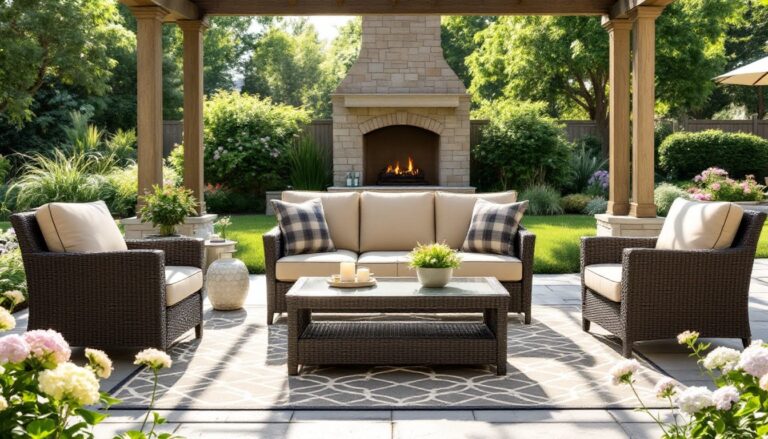
Pricing reflects the materials and build quality. A single lounge chair in the Quantum collection starts around $1,800–$2,400 depending on finish and fabric. A three-seat sofa runs $4,500–$6,000. Dining tables range from $2,200 (48″ round) to $5,500+ (96″ rectangular). Complete patio sets (sofa, two chairs, coffee table, cushions) typically land between $8,000 and $15,000.
Customization adds cost. Upgrading to a designer fabric, adding contrast welting, or selecting a premium powder coat finish can increase prices by 10–20%. Outdoor rugs, umbrellas, and accessories are sold separately.
Sales and discounts are rare. Some dealers offer floor model clearance at 20–30% off, usually at the end of the outdoor season (late September to November). Financing is often available through dealers, with terms ranging from 6 to 24 months interest-free on approved credit.
Used market: Brown Jordan holds value well. Pre-owned pieces in good condition often sell for 40–60% of original retail on platforms like Chairish, 1stDibs, or Facebook Marketplace. Verify the collection name and inspect frames and cushions carefully before buying used.
Factor in delivery and assembly. Most dealers charge separately for freight (often $200–$500 depending on distance) and white-glove setup. Some pieces ship fully assembled: sectionals and dining sets usually require minor on-site assembly.
Conclusion
Brown Jordan patio furniture isn’t an impulse buy. It’s a long-term investment in outdoor living space, built with materials and methods that prioritize decades of service over quarterly profit margins. For homeowners who plan to stay put, entertain often, and want furniture that doesn’t need replacing every few years, the cost-per-use math works. Measure carefully, choose a collection that fits both the architecture and the use case, and maintain it properly. The result is an outdoor room that performs as well as any interior space, and looks good doing it.