Table of Contents
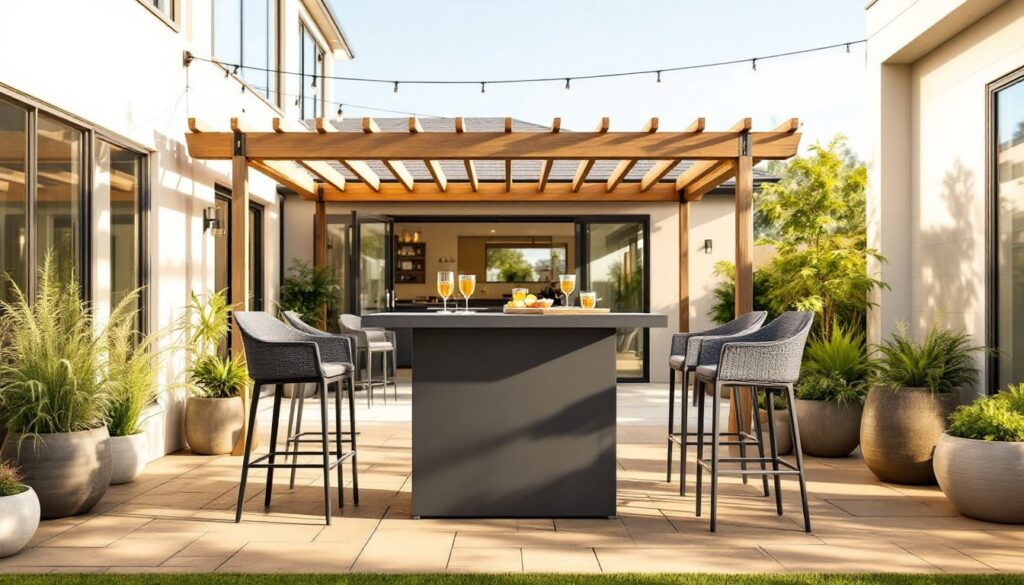
ToggleCreating an outdoor bar space transforms a basic patio into a destination. Bar height furniture invites guests to linger, share drinks, and connect in a way that standard seating just doesn’t. Unlike traditional patio setups, bar-style arrangements encourage conversation and create a focal point for gatherings, whether it’s a weekend barbecue or a quiet evening with neighbors.
But not all bar patio furniture is built the same. Materials, dimensions, and construction quality vary widely, and choosing the wrong setup can mean wobbling stools, rust-stained surfaces, or furniture that doesn’t survive a single season. This guide walks through the essentials: what to buy, how to choose materials that last, and how to design and maintain a setup that works year-round.
Key Takeaways
- Bar patio furniture encourages conversation and connection by elevating seating to 40–42 inches for tables and 28–30 inches for stools, creating an inviting gathering space that maximizes entertainment potential.
- Material selection is critical—aluminum and poly lumber require minimal maintenance, while steel and wood demand seasonal inspections and touch-ups to prevent rust and deterioration.
- Proper installation and surface preparation, including 6–8 inches of excavation with compacted gravel and leveling sand, prevents wobbling and sinking that compromises both safety and aesthetics.
- Bar height furniture efficiently maximizes patio space by allowing stools to tuck underneath tables and reducing the footprint needed compared to traditional dining setups.
- Maintenance routines vary by material: aluminum and poly lumber need simple soap-and-water cleaning, while steel requires rust patrols and wood demands seasonal oiling or sealant applications.
- Winter storage and breathable furniture covers significantly extend the lifespan of bar patio furniture, especially in freeze-thaw climates where trapped moisture can cause structural damage.
Why Bar Height Patio Furniture Is Perfect for Outdoor Entertaining
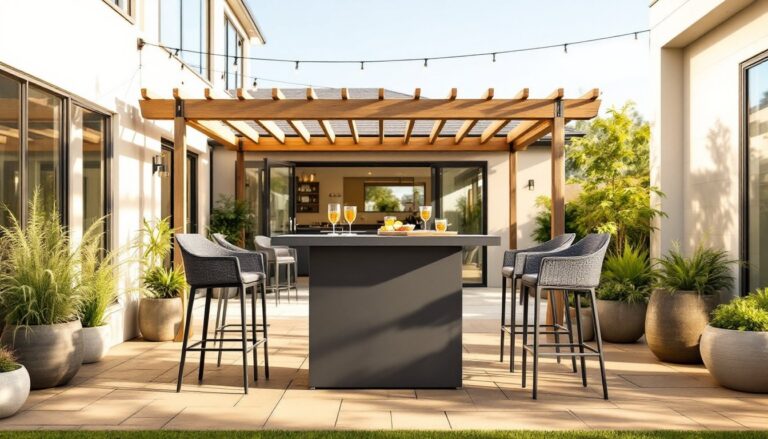
Bar height furniture (typically 40–42 inches for tables, 28–30 inches for stools) changes the dynamic of outdoor spaces. The elevated seating naturally promotes eye contact and conversation, eliminating the slouch-and-sprawl posture of deep lounge chairs. Guests stand, lean, and move more freely, ideal for casual gatherings where people drift in and out.
It also maximizes space efficiency. A standard 6-foot rectangular bar table seats six comfortably without the footprint of a full dining set. In tight patios or balconies, this vertical approach frees up square footage for grills, planters, or walking room.
Bar setups work especially well for homes with pool areas, outdoor kitchens, or fire pits. The height keeps drinks and plates above the mess zone, and stools tuck underneath when not in use. For anyone who entertains regularly, or just wants the option, bar patio furniture delivers flexibility that lower seating can’t match.
Essential Types of Bar Patio Furniture to Consider
Bar Tables and Counters
Bar tables come in three main formats: standalone pedestal tables, rectangular pub-style tables, and built-in counters. Pedestal tables (single central base) work well on uneven surfaces like pavers or gravel, there are only three or four contact points to level instead of four legs. Rectangular tables offer more surface area and stability, better for larger groups or food service.
Built-in counters require more commitment but integrate seamlessly with outdoor kitchens or permanent structures. These typically involve a frame of pressure-treated 2x4s or steel studs, topped with tile, concrete, or stone. They’re not DIY-light projects, expect to pull permits if the structure is attached to the house or exceeds certain heights (often 30 inches, but check local IRC amendments). For renters or those wanting flexibility, freestanding tables are the smarter call.
Standard bar table dimensions: 42 inches high, 24–36 inches wide for rectangular models, 36–48 inch diameter for round pedestal styles. Anything shorter than 40 inches feels awkward with true bar stools.
Bar Stools and Chairs
Bar stools split into two categories: backless and backed. Backless stools tuck completely under tables and cost less, but they’re uncomfortable for sitting longer than 20–30 minutes. Backed stools (especially those with armrests) invite guests to settle in, but measure clearance carefully, most need 12–15 inches of space to slide out.
Seat height matters. For a 42-inch table, 28–30 inch seat height is standard, leaving 10–12 inches of leg clearance. Adjustable-height stools offer flexibility but often use gas lift mechanisms that corrode outdoors unless specifically rated for exterior use. Fixed-height models with stainless hardware last longer.
Footrests aren’t optional, they’re ergonomic necessities. Stools without footrests leave legs dangling, which gets uncomfortable fast. Look for welded or bolted footrest bars, not plastic clips.
Swivel vs. stationary is a preference call. Swivel seats add convenience but introduce more moving parts that can seize or squeak with weather exposure. Stationary stools are simpler and more durable.
Choosing the Right Materials for Durability and Style
Aluminum dominates the outdoor furniture market for good reason: it won’t rust, weighs little, and handles UV exposure without cracking. Powder-coated aluminum resists scratches better than paint and comes in dozens of colors. The downside? It dents easily and feels lightweight, literally. In windy areas, aluminum stools blow over unless weighted or secured.
Steel (powder-coated or galvanized) offers heft and stability. It’s the go-to for commercial-grade outdoor furniture. Galvanized steel resists rust longer than powder coating alone, but once the coating chips, corrosion spreads quickly. Inspect welds and joints, this is where moisture infiltrates. Steel furniture needs annual touch-ups in humid or coastal climates.
Wrought iron has a classic look but demands maintenance. Expect to sand and repaint every 2–3 years, and even then, rust will find a way. It’s heavy enough to stay put in storms, which some homeowners value, but it’s not a low-effort material.
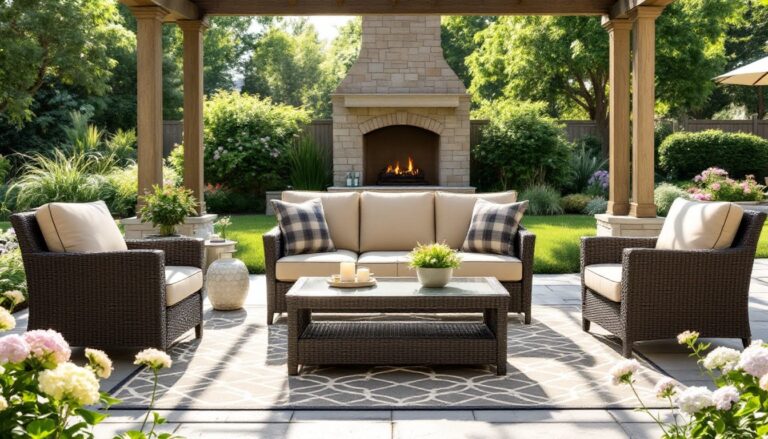
Poly lumber (HDPE) and resin wicker mimic wood without the rot. Poly lumber is recycled plastic extruded into boards, it won’t splinter, fade, or absorb water. Resin wicker wraps aluminum or steel frames and holds up better than natural wicker, though UV degradation eventually makes it brittle. Both materials clean with soap and water and require zero sealing or staining.
Teak and eucalyptus are the premium wood options. Teak contains natural oils that repel moisture and insects, it weathers to silver-gray unless treated annually with teak oil. Eucalyptus is harder and less expensive but needs regular sealing to prevent cracking. Both require a covered storage area or high-quality furniture covers in winter. Avoid pine or untreated softwoods: they’ll warp and rot within two seasons outdoors.
Concrete and stone tabletops pair well with metal bases for a modern, industrial look. They’re virtually indestructible but heavy, plan for permanent or semi-permanent placement. Sealing concrete once a year prevents staining from spills and moisture penetration that can crack surfaces in freeze-thaw cycles.
How to Design Your Perfect Outdoor Bar Setup
Start with space planning. Measure the area and account for circulation, allow 36 inches behind stools for people to walk and pull seats out comfortably. For a row of four stools, budget roughly 8–10 feet of linear table length plus walkway clearance on both sides.
Position the bar near the house or an exterior outlet if adding lighting, a mini fridge, or a blender. Running new electrical outdoors requires GFCI-protected circuits per NEC code and likely a permit. If power isn’t accessible, solar string lights and battery-powered LED strips are solid workarounds.
Shade matters. Bar seating in full sun is miserable by mid-afternoon. Cantilever umbrellas, pergolas, or retractable awnings extend usable hours. If building a pergola, use pressure-treated 4×4 posts set in concrete footings below frost line (depth varies by region, typically 36–48 inches in cold climates). Attach crossbeams with galvanized structural screws or hurricane ties, not nails.
Surface prep under furniture prevents sinking and wobbling. Pavers or a concrete pad provide stable footing. For pavers, excavate 6–8 inches, add 4 inches of compacted gravel base, then 1–2 inches of leveling sand. Tamp thoroughly, skipping compaction leads to shifting and uneven surfaces within months. Gravel or mulch can work under lightweight aluminum sets but won’t support heavier materials long-term.
Incorporate storage. Bar carts, weatherproof cabinets, or built-in shelving keep glassware, napkins, and bar tools accessible. Outdoor-rated cabinetry uses marine-grade plywood or stainless steel, standard MDF or particleboard swells and disintegrates outdoors.
Maintaining Your Bar Patio Furniture Through the Seasons
Aluminum and poly lumber need the least attention. Wash with mild dish soap and water a few times per season. Check fasteners annually, stainless steel screws and bolts won’t rust, but cheaper zinc-plated hardware will. Tighten loose connections before they strip threads or crack joints.
Steel and wrought iron require rust patrol. At season’s end, inspect for chips in powder coating. Sand those spots with 120-grit sandpaper, wipe clean, and apply rust-inhibiting spray primer followed by matching topcoat paint. Skip this, and surface rust blooms into structural problems.
Wood furniture demands seasonal oil or sealant. Teak oil (or tung oil for other hardwoods) goes on with a rag, apply liberally, let soak 15 minutes, wipe excess. Do this once in spring if the wood looks dry or gray. If opting for natural weathering, just clean with a teak cleaner annually to prevent mildew.
Cushions and fabric mildew in humid climates. Store cushions indoors or in a deck box when not in use. Wash covers (if removable) monthly during heavy use. For fixed upholstery, spray with a solution of 1 part white vinegar to 4 parts water and scrub with a soft brush. Avoid bleach, it degrades fabric and fades colors.
Winter storage extends furniture life significantly. If space allows, move pieces into a garage or shed. If not, invest in breathable, UV-resistant furniture covers, not tarps, which trap condensation and promote rust and mold. Elevate furniture on blocks to prevent ground contact and moisture wicking.
In regions with freeze-thaw cycles, flip cushions and leave covers slightly open to allow airflow. Trapped moisture expands when frozen, cracking frames and splitting seams. A little airflow prevents a lot of damage.