Table of Contents
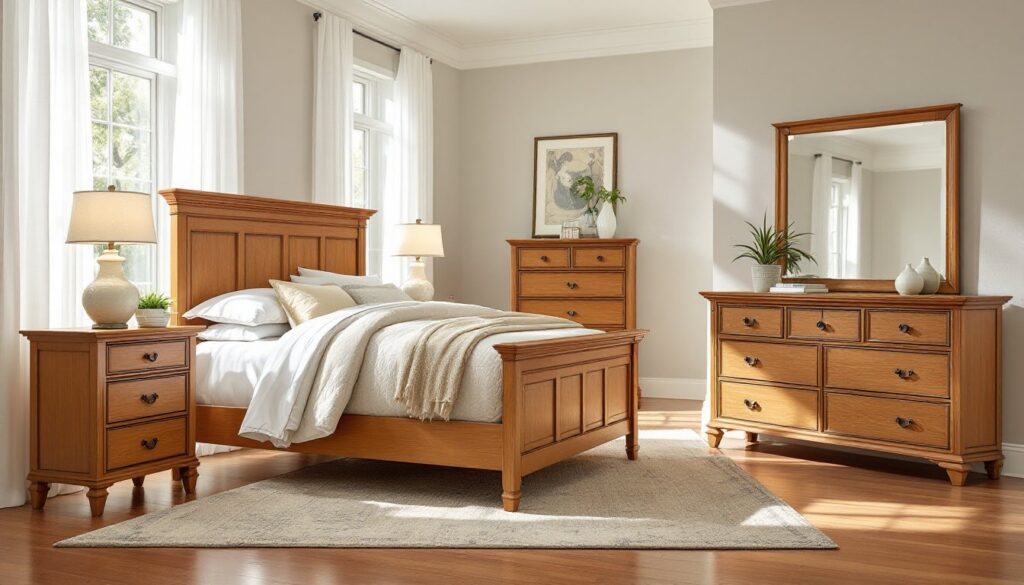
ToggleKincaid Furniture has been crafting solid wood bedroom pieces in the U.S. since 1946, building a reputation for traditional construction methods and attention to joinery that outlasts flat-pack alternatives. Their bedroom collections use mortise-and-tenon joints, dovetailed drawers, and finish-grade hardwoods, techniques found in heirloom furniture but often skipped in mass-market lines. For homeowners weighing durability against upfront cost, understanding what distinguishes Kincaid’s construction and design approach helps determine whether these pieces justify the investment for a master suite, guest room, or teen’s bedroom.
Key Takeaways
- Kincaid bedroom furniture uses traditional construction methods like mortise-and-tenon joints and dovetailed drawers—built to last 20+ years versus flat-pack alternatives that prioritize cost over durability.
- Solid wood construction with full-extension ball-bearing drawer glides and multi-step hand-sanded finishes distinguish Kincaid pieces, offering resistance to water rings and scratches while maintaining air quality with low-VOC finishes.
- Popular collections like Weatherford and Stone Ridge feature different wood species and finishes (Acacia or Oak) suited to transitional or traditional bedrooms, with thoughtful details like felt-lined jewelry drawers and cedar-lined sweater storage.
- Complete Kincaid bedroom sets range from $5,000–$8,500, with individual pieces priced $600–$2,800 depending on style and drawer count—expect 10%–15% bundle discounts at authorized retailers.
- Proper sizing requires measuring bed clearance (king beds need 12′ × 12′ floor space), accounting for dresser width balance, and verifying nightstand height matches your mattress depth for comfortable reach.
- Normal wood movement creates seasonal gaps up to 1/16″ and requires maintaining 40%–50% humidity, annual hardware tightening, and occasional drawer glide cleaning—minor maintenance preserves decades of service.
What Makes Kincaid Bedroom Furniture Stand Out?
Kincaid differentiates itself through solid wood construction rather than veneered particleboard. Most case pieces (dressers, chests, nightstands) feature hardwood frames with solid wood drawer boxes, not the stapled plywood bottoms common in budget furniture. Drawers use English dovetail joinery on fronts and French dovetail joints on backs, a hallmark of furniture built to handle decades of daily use.
The company employs corner-block reinforcement on bed frames and dust-proof panel construction between drawers, preventing garment fibers and dust from migrating between compartments. Drawer glides are typically full-extension ball-bearing slides rated for 75–100 lbs, allowing access to the entire drawer cavity without the wobble of cheaper center-mount glides.
Finishes undergo a multi-step process: stain, sealer, and topcoat with hand-sanding between layers. This creates depth in the wood grain and a surface that resists water rings and minor scratches better than single-coat finishes. Kincaid uses low-VOC finishes compliant with CARB Phase 2 standards, relevant for bedrooms where off-gassing affects air quality.
Hardware leans traditional, cast metal pulls, antique brass or bronze finishes, sometimes with felt-lined top drawers for jewelry or watches. Bed frames use mortise-and-tenon joinery at headboard and footboard connections, reinforced with lag bolts accessible from the inside for periodic re-tightening as wood settles.
Popular Kincaid Bedroom Furniture Collections
Weatherford Collection
The Weatherford line targets transitional spaces that blend rustic and refined elements. Pieces feature solid Acacia wood with a Heather finish, a sun-washed gray-brown that shows natural grain variation. The Cornsilk finish option offers a distressed off-white for coastal or farmhouse aesthetics.
Key pieces include the Westland Panel Bed (available in queen, king, and California king), the Hastings Open Nightstand with one drawer and one shelf, and the Stowers Dresser (nine drawers, 66″ W × 40″ H). The collection uses X-panel inserts on bed footboards and canted corners on case goods, subtle details that add visual weight without heavy ornamentation.
Drawer boxes are solid wood with 5/8″ bottoms, thicker than the industry-standard 1/2″, reducing sag in deep drawers. Beds accommodate standard mattress depths up to 14″ without the mattress sitting awkwardly high on the rails.
Stone Ridge Collection
Stone Ridge skews more traditional, using solid Oak with a Barley finish, a medium brown with amber undertones. Design elements include reeded pilasters, bead molding, and breakfront styling on larger dressers, where the center section projects slightly forward.
The Sawyer Panel Bed features a tall headboard (67″ H in king size) with raised panels and dentil molding along the crown. The Willow Distressed Dresser (70″ W) includes felt-lined top drawers, cedar-lined bottom drawers for sweater storage, and adjustable levelers on the base, critical for older homes with uneven floors.
This collection uses hidden drawer glides that mount under the drawer box rather than on the sides, maintaining clean interior lines and maximizing usable width. Beds include slat-roll foundations with the purchase, eliminating the need for a separate box spring in most cases.
Choosing the Right Kincaid Bedroom Pieces for Your Space
Start with bed size and clearance measurements. A standard king bed (76″ × 80″ mattress) requires a frame roughly 82″ × 88″ including rails and posts. Add 24″–36″ on each side for nightstands and walking space, a king setup needs at least 12′ × 12′ of floor area to avoid a cramped layout.
Dresser width should relate to bed width for visual balance. A 66″–72″ dresser pairs well with a queen or king bed: narrower chests (36″–42″) suit full or twin beds in secondary bedrooms. Measure wall space accounting for baseboard projection (typically 3/4″ to 1″) and door swing clearance, bedroom doors often conflict with dresser placement on adjacent walls.
Consider drawer count versus depth. A nine-drawer dresser (three columns of three) offers more organizational options than a six-drawer unit with deeper cavities. Kincaid’s deeper drawers (18″–20″ interior depth) suit bulky items like bedding or off-season clothes but require more floor projection, reducing walking clearance.
For nightstand height, measure from the floor to the top of the mattress (including mattress pad and topper). Nightstands should sit level with or 2″–4″ below the mattress top for comfortable reach. Kincaid nightstands range from 28″ to 32″ H: verify compatibility with pillowtop or extra-deep mattresses.
Finish matching across existing furniture matters. Kincaid’s Heather and Barley finishes show natural wood variation, no two pieces match perfectly, which reads as intentional in solid wood but may clash with laminate furniture expecting uniform color.
Quality and Durability: What to Expect
Kincaid furniture ships fully assembled except for bed frames and large mirrors, case goods arrive ready to place. This eliminates cam-lock failures common in RTA (ready-to-assemble) furniture but requires planning for delivery access. A 66″ dresser won’t navigate a 32″ door opening or tight stairwell turns: measure hallways, doorways, and any 90-degree turns along the delivery path.
Solid wood expands and contracts with seasonal humidity changes. Expect gaps up to 1/16″ at panel joints during winter heating cycles when indoor humidity drops below 30%. This is normal movement, not a defect. Maintain 40%–50% relative humidity to minimize seasonal shifts, important in climates with extreme swings.
Drawer glides are self-closing on most collections, using a damper mechanism that pulls drawers shut the last 2″. These require occasional cleaning, sawdust or debris in the track prevents proper closure. A dry cloth and compressed air clear most obstructions.
Hardware tightening should happen annually. Wood movement loosens screws on pulls and hinges: a Phillips #2 screwdriver and 10 minutes of checks prevent handles from pulling off or doors sagging. Bed bolts may need re-torquing after the first year as joints settle.
Finishes hold up well to normal use but aren’t bulletproof. Felt pads under lamps and decor prevent finish abrasion: coasters remain essential for beverages. Minor scratches respond to wood touch-up markers matched to the finish (available from Kincaid dealers or hardware stores). Deep gouges require professional refinishing.
Expect 20+ years of service with reasonable care, dovetailed drawers and mortise joints outlast typical furniture lifespans. Obsolescence comes from style shifts, not structural failure.
Where to Buy Kincaid Bedroom Furniture and Pricing Guide
Kincaid sells through authorized furniture retailers and interior designers, not direct-to-consumer. This adds a markup but includes delivery, assembly (for beds), and local service for warranty issues. Find dealers via the Kincaid website’s store locator: availability varies by region.
Pricing reflects solid-wood construction:
- Nightstands: $600–$950 depending on drawer count and detail level
- Dressers (6–9 drawers): $1,600–$2,800
- Chests (5–6 drawers, vertical): $1,400–$2,200
- Panel beds: $1,200–$2,400 (queen to king, without mattress)
Complete bedroom sets (bed, dresser, two nightstands, chest) range from $5,000 to $8,500. Retailers often bundle pricing with 10%–15% discounts versus individual piece purchases.
Sales cycles typically hit Presidents’ Day, Memorial Day, and Labor Day, with clearance events in January for discontinued finishes. Floor models offer 20%–40% discounts but may show minor wear, inspect drawer glides, finish condition, and hardware tightness before buying.
Delivery fees ($100–$300) depend on distance and whether the retailer offers white-glove service (room placement, debris removal). Confirm whether stairs or tight hallways incur surcharges.
Warranty covers manufacturing defects for one year, joint failure, finish flaws, hardware defects. Normal wear, improper assembly (for bed frames), or damage from moves isn’t covered. Register purchases with Kincaid within 30 days to activate warranty service.
For budget flexibility, prioritize the bed and one dresser initially. Nightstands and chests can be added later: Kincaid keeps collections active for 5–7 years, allowing phased purchases. Mixing finishes from different collections rarely works, stick within one line for cohesion.