Table of Contents
ToggleBerlin Gardens has earned a reputation among homeowners looking for patio furniture that can outlast a mortgage. Unlike cheap resin sets that crack after two summers or wood furniture that splinters and fades, Berlin Gardens builds pieces from poly lumber, recycled HDPE plastic engineered to withstand decades of UV exposure, temperature swings, and coastal salt spray without rotting, splintering, or needing a single coat of stain. The brand manufactures everything in Ohio using Amish craftsmanship techniques, combining hand-assembly with modern materials. For DIYers and homeowners planning outdoor spaces that don’t require annual rehab, understanding what sets Berlin Gardens apart, and how to choose, customize, and maintain these pieces, turns a furniture purchase into a long-term investment.
Key Takeaways
- Berlin Gardens patio furniture uses poly lumber made from recycled HDPE plastic with built-in UV inhibitors, eliminating the rot, splintering, and annual maintenance required by wood or metal alternatives.
- Amish craftsmanship and stainless steel hardware ensure durable joinery that resists wobbling, with a non-prorated 20-year warranty signaling the manufacturer’s confidence in long-term performance.
- Poly lumber tolerates extreme temperatures from -60°F to 160°F and resists coastal salt spray without corrosion, making Berlin Gardens suitable for diverse climates from Minnesota to Arizona.
- Multiple collections including Comfo-Back, Cozi-Back, and Deep Seating offer customization across 20+ colors, sizes, and hardware upgrades to match any outdoor aesthetic and functional need.
- Premium pricing ($400–$600 per chair, $2,000–$2,800 for dining sets) reflects domestic manufacturing and durability, and simple maintenance with soap and water extends the furniture’s lifespan across decades.
What Makes Berlin Gardens Patio Furniture Stand Out?
Berlin Gardens differentiates itself through material choice, construction methods, and a warranty that backs up durability claims. Most outdoor furniture falls into three categories: aluminum (lightweight but can corrode), wood (requires annual sealing), or injection-molded resin (affordable but brittle). Berlin Gardens uses poly lumber, a category that performs more like engineered decking material than traditional plastic furniture.
The company sources post-consumer recycled HDPE (high-density polyethylene), the same plastic used in milk jugs, and extrudes it into lumber-like boards. These boards contain built-in UV inhibitors and color pigments mixed throughout the material, not just surface-coated. That means scratches don’t expose a different color underneath, and fading occurs uniformly across decades rather than in a single season.
Each piece is assembled using stainless steel hardware rather than galvanized or zinc-coated fasteners that corrode in humid or coastal environments. Joints are mortise-and-tenon or through-bolted, not just screwed together. While some brands use poly lumber for slats and frames but cut corners with cheaper joinery, Berlin Gardens applies woodworking techniques to plastic, a combination that prevents the wobbly joints common in budget outdoor furniture after a year of use.
The 20-year residential warranty covers material defects and structural failure but excludes normal wear like surface scratches or minor color shifts from extreme UV exposure. This warranty is non-prorated, meaning a replacement part in year 19 costs the same as year one. For homeowners, that’s a signal the manufacturer expects the product to last, not just a marketing placeholder.
Poly Lumber Construction: Built to Last Generations
Poly lumber’s performance comes down to its density and formulation. Berlin Gardens uses virgin-grade colorants mixed into recycled HDPE, creating material that won’t leach color when wet or develop surface chalking like some lower-grade poly products. The extrusion process removes air pockets, producing boards with a specific gravity close to solid wood, heavy enough to resist wind but without the moisture absorption that causes wood to warp.
Unlike pressure-treated lumber or cedar, poly lumber doesn’t require chemical preservatives to resist insects or rot. It’s non-porous, so spilled drinks, sunscreen, or bird droppings sit on the surface rather than soaking in. A garden hose and dish soap handle most cleaning.
Temperature tolerance ranges from -60°F to 160°F without cracking or becoming brittle. That makes it suitable for Minnesota winters and Arizona summers alike. Coastal installations benefit because salt spray doesn’t corrode poly lumber the way it attacks aluminum frames or rusts steel furniture.
One trade-off: poly lumber is heavier than aluminum and can’t be stacked or moved as easily. A typical Adirondack chair weighs around 50–60 pounds, compared to 15–20 pounds for an aluminum equivalent. For permanent patio setups, that’s a non-issue. For homeowners who rearrange furniture seasonally, it’s worth noting.
Popular Berlin Gardens Patio Furniture Collections
Berlin Gardens organizes its catalog into collections that reflect different aesthetics and functional needs. Each collection shares the same material and construction quality but varies in profile, ergonomics, and visual weight.
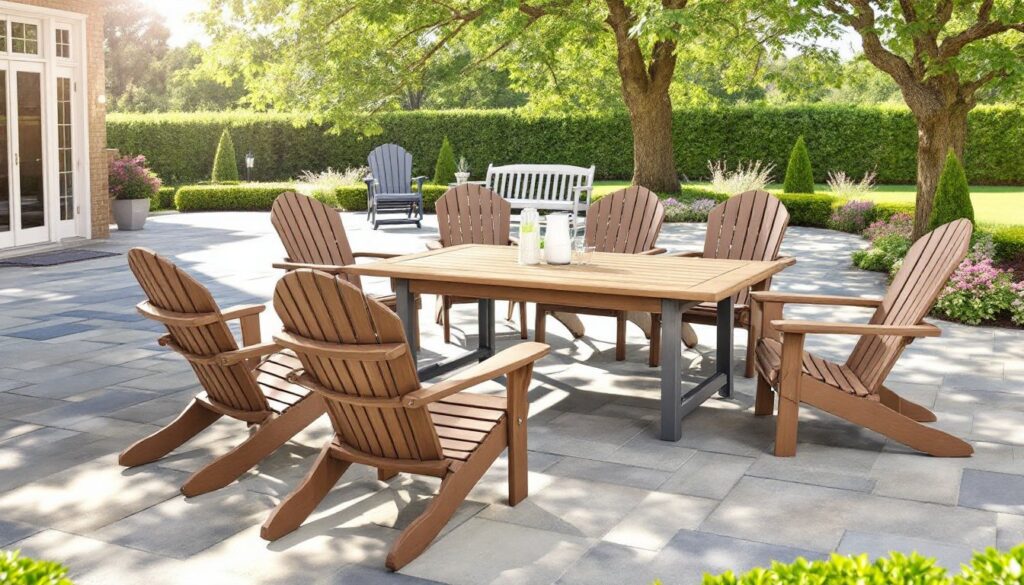
The Comfo-Back collection is the brand’s classic line, featuring contoured slats that follow the spine’s natural curve. Adirondack chairs, gliders, benches, and dining sets in this collection suit traditional or cottage-style outdoor spaces. Seat depth is generous, around 22 inches, which works well for taller users but may feel too deep for anyone under 5’4″.
Cozi-Back offers a more upright profile with vertical slats and a straighter backrest. This collection appeals to homeowners looking for a cleaner, modern silhouette. Dining chairs in this line pair well with contemporary metal or glass tables, and the narrower profile fits smaller patios or balconies.
The Resin Garden Classic collection mimics wood grain textures without the maintenance. It’s often chosen for properties where HOA rules or personal taste favor a traditional wood look but the homeowner wants poly lumber performance.
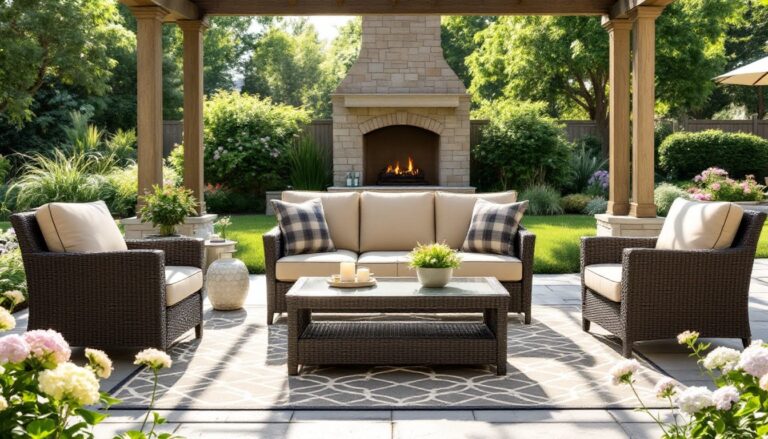
For those furnishing a full outdoor living room, the Deep Seating collection includes sectionals, loveseats, and ottomans with 6-inch cushions. Frames are wider and lower to the ground than dining furniture, and cushion covers are sold separately, Berlin Gardens doesn’t manufacture fabric, but recommends Sunbrella or similar solution-dyed acrylic.
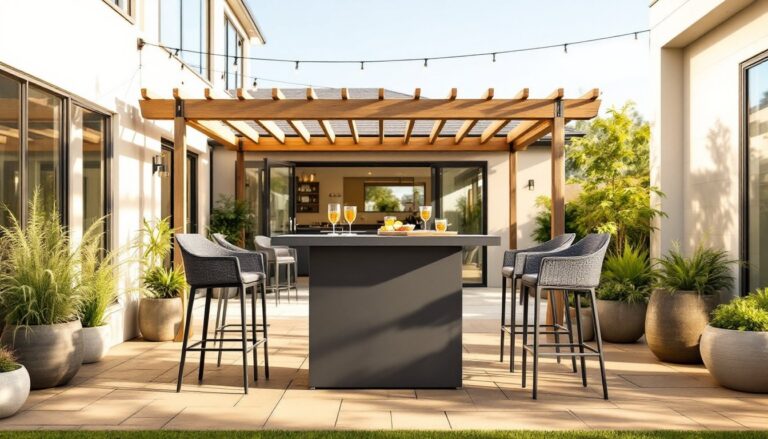
Bar-height and counter-height dining sets are available across most collections. Standard dining table height is 30 inches, counter is 36 inches, and bar is 42 inches. Matching the table height to existing deck railings or built-in seating improves flow in multi-zone outdoor spaces.
Customization Options: Create Your Perfect Outdoor Space
Berlin Gardens offers over 20 standard colors and accepts custom color requests for larger orders. Standard colors fall into earth tones (weatherwood, driftwood, brown), brights (red, yellow, green), and neutrals (white, black, gray). The poly lumber is mixed with color throughout, so choosing a darker shade doesn’t mean faster fading, it just affects initial appearance.
Two-tone combinations are popular: a neutral frame with bright seat slats, or a wood-grain texture paired with solid colors. Some dealers display physical color samples under UV lights to show how hues appear in direct sun versus shade.
Size adjustments are common. Standard Adirondack chairs come in regular and wide widths (the latter adds 4 inches to seat width). Dining tables range from 44 inches square for four people up to 96 inches rectangular for eight. Custom lengths are available in 6-inch increments, useful for fitting specific deck dimensions or matching existing built-in benches.
Hardware upgrades include cup holders, charging ports (solar-powered USB outlets integrated into armrests), and swivel bases for dining chairs. Swivel mechanisms use a 360-degree ball-bearing system rather than cheaper pin-and-sleeve designs that bind after a season outdoors.
Delivery and assembly vary by dealer. Some ship fully assembled, others deliver flat-packed to reduce freight costs. Assembly is straightforward, most pieces use hex bolts and include an Allen wrench. A cordless drill speeds up the process, but it’s not required. Budget 30–60 minutes per chair and 2–3 hours for a dining set if assembling from flat-pack.
Maintenance and Care Tips for Berlin Gardens Furniture
Poly lumber requires less maintenance than any natural material, but a few practices extend its lifespan and appearance.
Routine cleaning involves hosing off debris and scrubbing with a soft brush and mild dish soap. For stuck-on grime, tree sap, pollen buildup, sunscreen, use a Magic Eraser or a paste of baking soda and water. Avoid abrasive pads that scratch the surface.
Stain removal depends on the source. Oil-based stains (grease, sunscreen) respond to dish soap or a degreaser like Simple Green. Organic stains (mildew, algae) come off with a 10% bleach solution (1 part bleach, 9 parts water). Apply, let sit for 10 minutes, scrub, and rinse. Berlin Gardens poly lumber won’t discolor from bleach, but test on an inconspicuous spot first if using aftermarket cleaners.
Winter storage isn’t necessary. Poly lumber handles freeze-thaw cycles without cracking. But, covering furniture or storing cushions indoors prevents UV exposure during months the furniture isn’t used, which can extend the time before any color shift occurs. If using covers, choose breathable fabric rather than plastic tarps, trapped moisture promotes mildew on cushions or under the furniture.
Tightening hardware once per season prevents joints from loosening. Use a hex key or socket wrench to snug bolts. Don’t overtighten, poly lumber can compress slightly under excessive torque, creating a loose fit once pressure is released.
Scratches and scuffs are mostly cosmetic. Because color runs through the material, scratches don’t expose a different substrate. For deep gouges, some owners use a heat gun on low to carefully melt the surface and smooth it, but this requires practice and can worsen the appearance if done incorrectly. Most scratches become less visible as the furniture weathers uniformly.
Where to Buy Berlin Gardens Patio Furniture and What to Expect
Berlin Gardens sells exclusively through authorized dealers, no direct-to-consumer sales or big-box retailers. The dealer network includes independent patio furniture stores, Amish furniture shops, and some regional chains. A dealer locator on the Berlin Gardens website helps find nearby retailers.
Pricing sits in the premium range. A single Adirondack chair typically runs $400–$600 depending on color and options. A 48-inch round dining table with four chairs ranges from $2,000–$2,800. Deep seating sectionals start around $3,500 for a basic configuration, not including cushions.
These prices reflect domestic manufacturing, hand-assembly, and material quality, but they’re 2–3 times higher than mass-market resin furniture. For context, a comparable poly lumber Adirondack from a competitor like Polywood or Seaside Casual falls in a similar range, while a teak Adirondack runs $600–$900 but requires annual oiling.
Lead times vary. In-stock colors and popular configurations may ship within a few weeks. Custom colors or large orders can take 8–12 weeks, particularly during spring when demand peaks. Ordering in late winter (January–February) often results in faster fulfillment.
Shipping is usually included within a dealer’s regional territory, but long-distance freight may add $200–$500 depending on the order size. Some dealers offer white glove delivery, including placement and assembly, for an additional fee.
Warranty claims go through the dealer, not directly to Berlin Gardens. Keep the original purchase receipt and document any defects with photos. Most dealers handle claims without hassle, but processing time depends on the dealer’s relationship with the manufacturer.
Conclusion
Berlin Gardens patio furniture makes sense for homeowners prioritizing longevity over upfront cost. The poly lumber construction eliminates the seasonal staining, sealing, and repairs that wood demands, while outperforming metal and resin in durability. Customization options let buyers tailor aesthetics to specific outdoor spaces, and the 20-year warranty backs up the investment. For patios, decks, or pool areas that see heavy use and year-round weather exposure, it’s a solution that reduces long-term maintenance and holds up to the job.