Table of Contents
ToggleFinding the right patio dining set transforms a concrete slab or wooden deck into a functional outdoor room. Unlike indoor furniture, these pieces need to withstand UV rays, sudden downpours, and temperature swings while looking sharp enough to host a graduation party or Sunday brunch. The outdoor furniture market in 2026 offers more material choices, sizing flexibility, and weather-resistant finishes than ever before, but that variety also means sorting through dozens of options with wildly different lifespans and maintenance demands. This guide cuts through the marketing speak to help homeowners choose a set that fits their space, climate, and entertaining style without wasting money on features they’ll never use.
Key Takeaways
- A quality patio furniture dining set must balance structural durability, weather resistance, comfort, and maintenance requirements to withstand UV rays, temperature swings, and frequent entertaining.
- Aluminum, teak, and resin wicker each offer distinct advantages—aluminum is lightweight and low-maintenance, teak provides a 20-year lifespan, and synthetic wicker avoids mildew while holding color.
- Proper sizing is essential: a 60-inch round table needs roughly 10 feet of diameter clearance, and you should allow 24–30 inches of pullback space behind each chair to avoid cramped layouts.
- Patio dining sets benefit from proactive care including furniture covers, annual sealing for wood, touch-up paint for metal frames, and monthly salt rinses in coastal zones to extend lifespan.
- Budget-tier sets ($300–$800) last 2–4 seasons, mid-range options ($800–$2,500) offer better durability and warranties, while premium sets ($2,500+) with Grade-A teak or hand-woven resin justify long-term investment for homeowners staying in place.
- End-of-season sales in late August through October offer 20–40% discounts, and buying off-season with spring storage saves money while specialty retailers provide hands-on inspection and delivery services.
What Makes a Great Patio Dining Set?
A quality outdoor dining set balances four core factors: structural durability, weather resistance, comfort, and maintenance requirements. The frame should feel solid when someone leans back in a chair or sets a full serving dish on the table. Wobbly joinery or thin-gauge aluminum tubes signal a short lifespan.
Weather resistance goes beyond “waterproof.” UV stabilizers in resin wicker prevent brittleness, powder-coated finishes resist chip-and-rust cycles, and teak’s natural oils repel moisture. A set that can’t handle the local climate, whether that’s Gulf Coast humidity, Arizona sun, or Colorado snow loads, will deteriorate within two seasons.
Comfort matters more for outdoor furniture than most people expect. Dining chairs should support the lower back during a two-hour meal, and table height should align with chair seat height (typically 28–30 inches between surfaces). Sets with cushions add comfort but require storage space during off-season.
Maintenance demands vary wildly. Teak can gray naturally or be oiled annually. Aluminum wipes clean in minutes. Wrought iron may need touch-up paint every few years. Buyers should match maintenance tolerance to their actual habits, not their aspirations.
Popular Materials for Outdoor Dining Sets
Aluminum dominates the lightweight, low-maintenance category. Powder-coated finishes protect against oxidation, and the material won’t rot or crack. It’s ideal for windy areas where furniture might blow around, most aluminum sets are light enough for one person to move but heavy enough to stay put with an umbrella base. The downside: thin-wall extrusions can dent, and aluminum retains heat in direct sun.
Teak remains the gold standard for wooden outdoor furniture. Its high silica content and natural oils resist rot, insects, and warping. Grade-A teak comes from the heartwood and weathers to a silver-gray patina unless treated with teak oil. It’s heavy, expensive, and worth it for buyers who want a 20-year lifespan. Eucalyptus and acacia offer similar aesthetics at lower price points but require more frequent sealing.
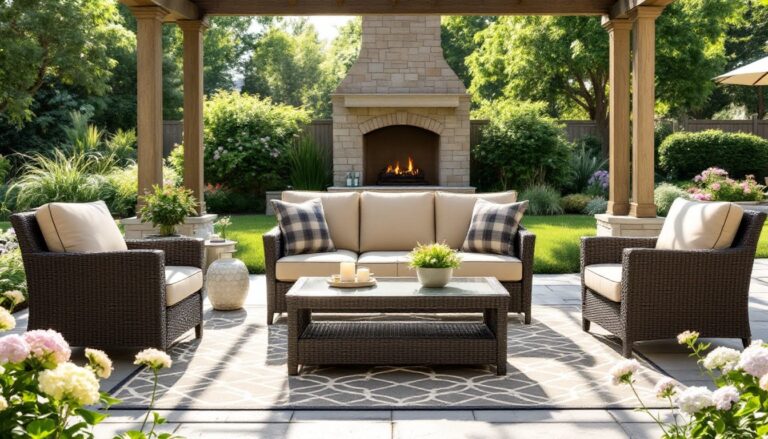
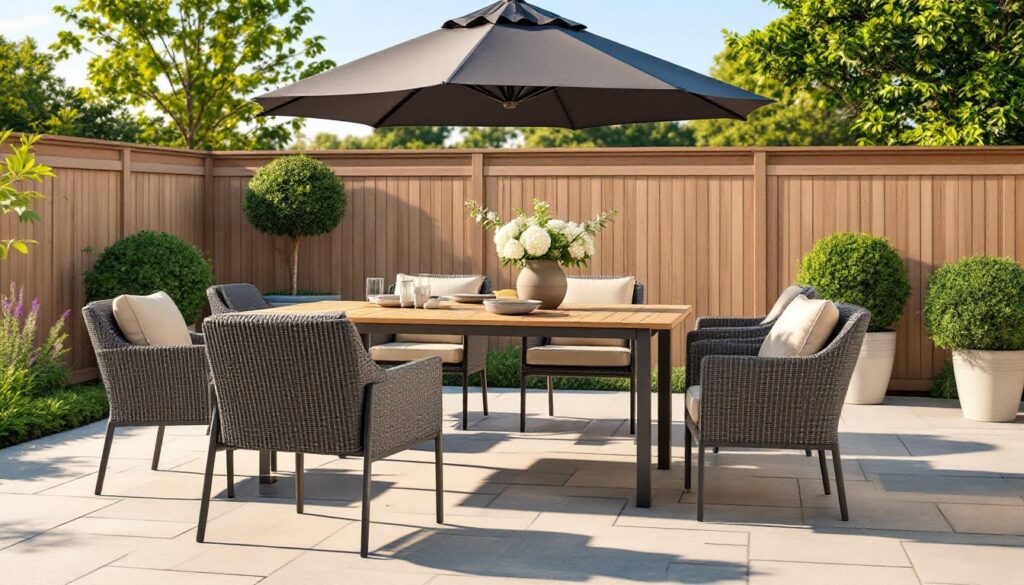
Resin wicker (synthetic PE or PVC weave over an aluminum or steel frame) mimics natural wicker without the mildew issues. UV-resistant versions hold color for years. Check the weave density, tight, uniform strands outlast loose, irregular patterns. Hand-woven resin wicker costs more but handles stress points better than machine-woven.
Steel and wrought iron provide traditional styling and serious weight, which helps in high-wind zones. Powder coating is essential: raw or poorly finished steel will rust. Wrought iron sets often require touch-up paint on high-contact areas like chair arms and table edges. These materials work best under a covered patio or with dedicated furniture covers.
Composite and recycled plastics (like HDPE lumber) offer the look of painted wood with zero rot risk. They’re gaining traction in coastal areas where salt air accelerates metal corrosion. Quality varies, commercial-grade HDPE resists fading and won’t splinter, while budget versions can feel flimsy.
Choosing the Right Size and Seating Capacity
Measure the patio or deck footprint before browsing sets. A 60-inch round table seats six comfortably and needs roughly a 10-foot-diameter clearance zone for chair pullout and traffic flow. Rectangular tables work better in narrow spaces, a 72×38-inch table seats six to eight and fits patios as small as 12×10 feet with tight clearances.
Allow 24–30 inches of pullback space behind each chair. Homeowners often forget this and end up with chairs scraping against railings or planter boxes. For sets near a grill or serving station, add another 18 inches of walkway.
Extendable tables solve the occasional-guest problem without permanently eating up square footage. Butterfly-leaf designs store the extension inside the table frame: separate leaves require garage or shed storage. Check the extension mechanism, smooth glides and positive locking are worth the upcharge.
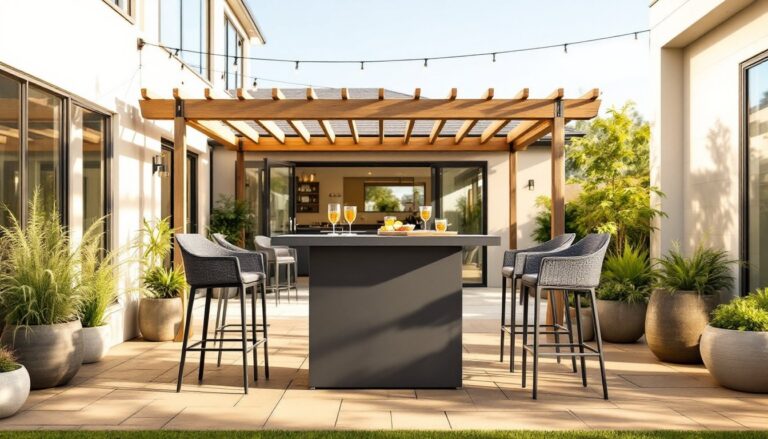
For small balconies or bistro patios, a 30-inch round table and two chairs (bistro set) fit spaces as compact as 5×5 feet. Bar-height sets (40–42 inches tall) create sightlines over railings and work well on narrow balconies where standard-height furniture feels cramped.
Style Options: From Modern to Traditional
Modern and contemporary sets favor clean lines, monochromatic palettes, and mixed materials, think aluminum frames with slatted teak tops or powder-coated steel with tempered glass. These styles pair well with minimalist landscaping and urban rooftop spaces. Stackable chairs with geometric cutouts offer visual interest without sacrificing storage efficiency.
Traditional styles lean on wrought iron scrollwork, slatted wood backs, and curved arms. These sets complement homes with colonial, craftsman, or cottage architecture. Wrought iron with a bronze or matte-black finish pairs with classic outdoor textiles like striped cushions or solid earth tones.
Coastal and nautical designs use weathered teak, rope accents, and navy-or-white color schemes. Resin wicker in driftwood gray or whitewash finishes fits this category. They’re popular in beach communities but work anywhere the homeowner wants a relaxed, resort vibe.
Farmhouse and rustic sets typically feature chunky wooden frames (teak, acacia, or eucalyptus) with visible grain and distressed finishes. Bench seating on one or both sides adds to the farmhouse aesthetic and increases capacity for kids or informal gatherings. These sets look best on covered patios or under pergolas where the wood stays drier.
Weather Resistance and Maintenance Tips
Even “all-weather” furniture benefits from proactive care. Furniture covers extend lifespan in any climate. Marine-grade vinyl or solution-dyed polyester covers resist UV breakdown and wick moisture. Covers should vent to prevent mildew, look for mesh panels or tie-down grommets that allow airflow.
For wooden sets, apply a coat of teak oil or penetrating sealer at the start of each season if maintaining the original color matters. Let untreated teak weather naturally to silver-gray: the patina is protective and doesn’t indicate damage. Clean with a teak cleaner or a mild solution of water and dish soap, skip the pressure washer, which can splinter the wood.
Metal frames need annual inspections for chips in powder coating. Touch up with matching rust-inhibiting paint before bare metal oxidizes. Store cushions indoors or in a deck box during rainy seasons. Even “fade-resistant” fabrics lose vibrancy after prolonged wet-dry cycles.
Resin wicker wipes clean with soapy water and a soft brush. Check the weave for cracking after two to three seasons, especially in freeze-thaw climates. High-quality resin bounces back: budget versions may need replacement strands or a full chair swap.
In coastal zones, rinse metal and wicker furniture monthly with fresh water to remove salt buildup. Salt accelerates corrosion even on powder-coated aluminum.
Budget Considerations and Where to Buy
Budget-tier sets ($300–$800 for a table and four chairs) typically use thin-gauge aluminum, basic resin wicker, or painted steel. They’ll last two to four seasons with diligent maintenance and furniture covers. Big-box home improvement stores and discount retailers dominate this range. Expect assembly and plan for replacement within a few years.
Mid-range options ($800–$2,500) offer better materials, thicker aluminum extrusions, UV-stabilized wicker, or lower-grade teak. Powder coating is more durable, and frames often carry limited warranties (two to five years). Specialty outdoor furniture retailers and online marketplaces stock this segment. These sets balance longevity and upfront cost for most homeowners.
Premium sets ($2,500–$6,000+) feature Grade-A teak, hand-woven resin, or heavy-gauge wrought iron with premium finishes. Warranties extend to 10 years or more on frames. High-end patio stores and direct-from-manufacturer sites cater to this tier. For buyers planning to stay in a home long-term, the cost-per-year drops significantly.
Where to buy: Local patio specialty stores allow hands-on inspection and often include delivery and assembly. Online retailers offer broader selection and competitive pricing, but shipping costs for heavy items add up. Warehouse clubs sometimes run seasonal deals on mid-tier sets. End-of-season sales (late August through October) offer the deepest discounts, 20% to 40% off, but selection shrinks. Buying off-season and storing until spring saves money for patient shoppers.
Conclusion
Choosing a patio dining set comes down to matching materials and maintenance to the local climate, sizing the table to the actual usable footprint, and budgeting for quality that aligns with how long the homeowner plans to use it. A well-chosen set turns outdoor space into a functional dining area that handles everything from weeknight dinners to holiday gatherings.