Table of Contents
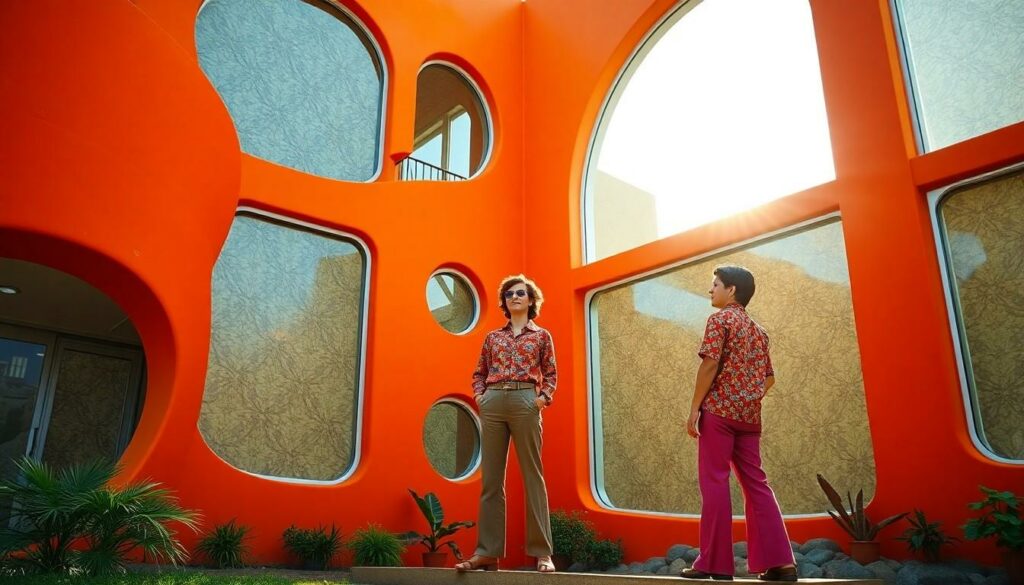
ToggleStep into the funky world of 70s architecture, where bold colors and experimental designs ruled the day. This was an era when buildings looked like they were plucked straight from a disco ball, and every structure seemed to scream, “Let’s have some fun!” From the groovy curves of organic architecture to the boxy charm of Brutalism, the 70s had a little something for everyone—even if it was just a wild wallpaper pattern that made your eyes water.
Overview of 70s Architecture
The 1970s showcased an array of architectural styles that embraced both individuality and innovation. Playfulness defined this era, evident in the use of vibrant colors and organic forms. Architects often focused on breaking free from traditional norms, giving rise to creative expressions.
Brutalism gained popularity, characterized by raw concrete structures that conveyed a sense of starkness. Iconic examples include the Boston City Hall and the Geisel Library in La Jolla, California. These buildings featured bold lines and massive forms, challenging conventional aesthetics.
Eclecticism marked the decade, blending multiple styles into cohesive designs. Mid-century modern influences intertwined with Post-Modern elements, creating unique residential and commercial spaces. Notable structures like the Seattle Central Library offer a blend of innovation and function, emphasizing transparency and sustainability.
Art Deco also made a resurgence, featuring geometric shapes and intricate details. New designs incorporated vibrant mosaics and ornamental facades, reviving the spirit of earlier periods while adding a contemporary twist. Buildings such as the Eastern Columbia Building in Los Angeles exemplify this trend.
Environmental awareness emerged as a critical aspect of architecture, prompting designers to incorporate nature into their work. Biophilic design elements, such as natural lighting and open spaces, became prevalent. This trend not only improved aesthetics but also fostered a connection with the environment.
Historically significant, the 70s paved the way for future movements, leaving lasting impacts on urban landscapes. Many architects embraced bold experimentation, shaping a unique architectural identity. Through playful structures and innovative designs, the era remains a vibrant testament to creative exploration.
Key Characteristics of 70s Architecture
The 1970s architectural landscape features distinct elements that define its unique character. Key characteristics include bold colors and a focus on natural materials.
Use of Bold Colors
Bright hues dominated 70s architecture, reflecting the era’s vibrant spirit. Designers embraced intense shades like orange, avocado green, and mustard yellow. These colors appeared in both interiors and exteriors, creating playful visual impacts. Furthermore, color combinations highlighted eclectic design choices, enhancing the lively feel of spaces. Many structures incorporated these bold hues into innovative shapes, amplifying their artistic appeal. The use of wallpaper patterns also played a significant role, with intricate designs bringing dynamism to walls. Walls transformed into canvases, showcasing creativity and personality in homes and public buildings alike.
Emphasis on Natural Materials
Natural materials became essential to 70s architectural designs, emphasizing a connection to the environment. Wood, stone, and brick appeared prominently, promoting warmth and texture in structures. Designers often integrated these materials to create harmony between buildings and their surroundings. Large windows facilitated natural light and views, enhancing indoor-outdoor relationships. Many architects sought sustainability, reflecting an increasing awareness of ecological responsibility. The preference for organic materials not only improved aesthetics but also contributed to a sense of comfort and authenticity. Ultimately, this focus on nature created inviting spaces that resonated with occupants, reinforcing the era’s architectural identity.
Influential Architects of the 70s
The 1970s featured remarkable architects whose innovative designs helped shape the era’s distinct architectural identity. Their creative visions left indelible marks on various styles.
Notable Works and Styles
Louis Kahn focused on monumental structures that emphasized light and space. His work on the Salk Institute in La Jolla exemplified this approach, showcasing sleek concrete forms. Robert Venturi challenged traditional architectural conventions with his postmodern designs. The Vanna Venturi House demonstrated his belief in complexity and contradiction. Frank Gehry emerged as an influential figure, known for his deconstructivist style. The Guggenheim Museum Bilbao exemplified his innovative approach through non-linear, dynamic forms. Meanwhile, Moshe Safdie gained attention with projects like Habitat 67, merging nature with urban living. Each architect contributed unique perspectives, demonstrating the rich diversity of 70s architecture through their iconic works.
Impact on Modern Architecture
The influence of 70s architecture on modern design is profound and extensive. Architectural trends from the 1970s continue to resonate, introducing boldness and creativity into contemporary structures. Notably, Brutalism, with its raw concrete aesthetics, inspires modern public buildings, where functionality meets striking visual appeal.
Eclecticism, a defining feature of the 70s, shapes current architectural practices. Designers often meld styles, creating dynamic spaces that reflect diverse cultural influences. Additionally, the revival of Art Deco elements contributes to modern urban environments, enriching them with geometric shapes and vibrant colors.
Sustainability emerged as a crucial aspect during the 1970s, a principle that persists today. Modern architects prioritize eco-friendly materials and biophilic design, reflecting a commitment to environmental responsibility. Large windows and open spaces enhance natural light, a feature derived from the 70s ethos that connects indoor environments with the outdoors.
Innovative figures such as Frank Gehry and Robert Venturi represent lasting legacies. Gehry’s deconstructivist style challenges conventional forms, while Venturi’s playful postmodernism encourages creativity and personal expression in contemporary architecture. Their works continue to inspire new generations, reinforcing the value of individualism and imagination in design.
Architectural education emphasizes lessons drawn from the past, encouraging students to explore 70s techniques. By understanding the experimentation of this era, emerging architects draw from its principles to address current challenges. Thus, modern architecture thrives on the legacy of the 1970s, representing a continuous evolution of style, function, and innovation.
The legacy of 70s architecture remains vibrant and influential today. Its bold experimentation with color and form paved the way for a new era of design that embraces individuality. Architects of this decade not only challenged conventions but also laid the groundwork for sustainable practices that continue to shape modern architecture.
As trends evolve the spirit of the 70s lives on in contemporary designs that celebrate creativity and ecological awareness. The playful yet impactful aesthetics from this period inspire architects and designers to push boundaries and redefine spaces. The eclectic mix of styles serves as a reminder that innovation often springs from embracing diversity and breaking free from tradition.